HealthPoint
  • HOME
  • ABOUT US
  • SERVICES ▼
    • ARTHROSTIM GENTLE AND EFFECTIVE ADJUSTING
    • BEGINNER YOGA CLASSES
    • COX, FLEXION / DISTRACTION
    • DECOMPRESSION THERAPY
    • DIATHERMY
    • DTS THERAPY
    • HEADACHE TREATMENT
    • INTERSEGMENTAL TRACTION
    • INVERSION THERAPY
    • MASSAGE TREATMENT IN FORT LAUDERDALE
    • TREATMENT FOR NECK AND BACK PAIN
    • OAKLAND PARK CHIROPRACTOR
  • AUTO ACCIDENTS
  • BLOG
  • CONTACT US
  • Menu Menu
Whiplash Pain Relief That Supports Recovery

Whiplash Pain Relief That Supports Recovery

September 23, 2026/in BLOG/by Attydamg2027

A rear-end collision can happen in seconds, but the neck stiffness, headaches, and shoulder pain may show up later that day or even several days afterward. Effective whiplash pain relief starts with taking those symptoms seriously, getting a thorough evaluation, and choosing care that supports both immediate comfort and a safe return to normal movement.

Whiplash is not simply a sore neck. The rapid back-and-forth motion of the head can strain muscles, ligaments, joints, and other soft tissues in the neck and upper back. For many people, the discomfort affects work, driving, sleep, exercise, and the ability to turn their head comfortably. The good news is that many whiplash injuries respond well to conservative, personalized care.

Why Whiplash Can Feel Worse After an Accident

During a crash, the body may be braced in the seat while the head moves sharply forward, backward, or to the side. That force can irritate the structures that help stabilize the cervical spine. Adrenaline can also mask pain in the hours immediately after an accident, which is why some people feel fine at the scene but wake up stiff and sore the next morning.

Common whiplash symptoms include neck pain, reduced range of motion, upper-back or shoulder tension, headaches, dizziness, jaw discomfort, and fatigue. Some people also notice pain that travels into an arm, tingling, or trouble concentrating. Symptoms do not always reflect the full extent of an injury, so an early assessment can help identify what needs attention before compensations become harder to correct.

When to Seek Medical Attention Right Away

After any auto accident, urgent symptoms should be evaluated promptly. Seek emergency medical care for severe or worsening headache, loss of consciousness, confusion, new weakness, numbness that is significant or spreading, trouble walking, vision changes, chest pain, difficulty breathing, or loss of bladder or bowel control.

Even without these red flags, it is wise to schedule an evaluation when neck pain, headaches, stiffness, or other symptoms develop after a collision. A provider can determine whether conservative musculoskeletal care is appropriate and refer you for additional testing or medical care when needed.

Whiplash Pain Relief: What Early Care Should Address

The goal is not to force the neck to move before it is ready. It is to reduce irritation, restore healthy motion gradually, and help the surrounding muscles support the spine again. The right plan depends on the severity of symptoms, your health history, how long ago the accident occurred, and whether there are signs of nerve involvement or another injury.

Early treatment often focuses on calming painful tissues while preventing the neck from becoming excessively guarded and stiff. As symptoms improve, care should progress toward mobility, strength, posture, and movement habits that reduce the chance of lingering pain.

At HealthPoint Chiropractic, this may involve a combination of chiropractic care, soft tissue treatment, massage therapy, corrective exercise, and physical rehabilitation rather than relying on one approach alone. An integrated plan can be especially helpful because whiplash often affects more than one area. A painful neck may lead to tight shoulders, altered posture, upper-back strain, and tension headaches.

Gentle Chiropractic Care

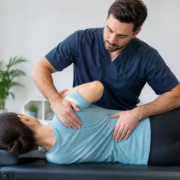
A chiropractic examination looks at spinal motion, posture, muscle tension, and how the injury is affecting daily function. When appropriate, gentle chiropractic adjustments or mobilization may help improve restricted movement and reduce joint-related stiffness. Treatment should always be adapted to the patient. A person with significant acute tenderness may need a lighter approach than someone farther along in recovery.

Chiropractic care is not a substitute for emergency evaluation when serious injury is suspected. It is one part of a conservative recovery plan after a proper assessment.

Soft Tissue Therapy and Massage

Whiplash can leave the muscles of the neck, shoulders, and upper back in a constant state of protection. That guarding can make it harder to sleep, sit at a desk, or check blind spots while driving. Soft tissue treatment and therapeutic massage can help address muscle tightness and tender areas while supporting circulation and relaxation.

The timing and intensity matter. Deep pressure is not automatically better, particularly soon after an injury. Care should be comfortable, purposeful, and adjusted based on how your body responds.

Heat, Cold, and Supportive Therapies

Cold therapy may be useful early on when tissues feel irritated or swollen, while heat may help relax persistent muscle tightness later in the recovery process. Some patients also benefit from traction therapy or other supportive modalities when recommended following an examination.

These therapies can provide comfort, but they work best as part of a broader plan. They do not replace restoring movement, strengthening supportive muscles, and addressing the postural changes that pain can create.

Rehabilitation and Corrective Exercise

Once the acute phase begins to settle, targeted exercise becomes increasingly valuable. Gentle range-of-motion work can help the neck regain confidence with movement. Later, focused exercises for the deep neck muscles, shoulder blades, and upper back can improve stability and reduce the strain placed on the neck during work, driving, and activity.

The key is progression. Doing too much too soon can aggravate symptoms, while avoiding movement for too long can contribute to stiffness and deconditioning. A guided rehabilitation plan helps find the middle ground.

What You Can Do at Home Between Visits

A few practical habits can make a meaningful difference while you recover. Avoid prolonged positions that increase symptoms, especially looking down at a phone or laptop for long periods. Raise screens closer to eye level, use a supportive chair, and take brief movement breaks instead of staying in one position for hours.

For sleep, aim to keep your neck in a neutral position. A pillow that is too high, too flat, or stacked with several others can leave the neck bent awkwardly overnight. The best pillow varies from person to person, so the practical test is simple: it should support your head without forcing your neck forward, backward, or sharply to one side.

Continue normal daily activities as tolerated, but avoid pushing through sharp pain, severe dizziness, or symptoms that are clearly worsening. Short walks and gentle movement are often more helpful than complete bed rest. If driving is painful because you cannot turn your head safely, ask for help with transportation until your range of motion improves.

Avoid These Common Recovery Mistakes

Many people wait because they expect the pain to disappear on its own. Some mild injuries do improve with time, but delaying an evaluation can make it easier for poor movement patterns, persistent muscle guarding, and headaches to take hold.

Another mistake is treating pain relief as the only goal. Medication may have a role when prescribed by a medical professional, but it may not address restricted motion, weakened support muscles, or posture changes after an accident. Long-term recovery usually requires more than covering up symptoms.

Finally, be cautious with one-size-fits-all advice. Aggressive stretching, intense workouts, or forcing the neck to crack can worsen an irritated injury. The right activity level depends on your exam findings and how your symptoms change from day to day.

A Personalized Path Back to Comfortable Movement

Whiplash recovery is rarely identical from one person to the next. An office worker who develops headaches after a low-speed crash may need a different care plan than an athlete with shoulder tightness or a commuter whose pain travels into the arm. A clear evaluation helps connect the symptoms to the care plan, so you understand what is being treated and why.

For Fort Lauderdale and Broward County residents, early, conservative care can provide a practical next step after an accident when neck pain is interfering with daily life. Same-day appointments can be especially useful when symptoms have started to build and you want answers without waiting.

You do not have to accept ongoing stiffness, headaches, or fear of moving your neck as your new normal. A thoughtful assessment and a gentle, progressive treatment plan can help you move forward with greater comfort and confidence.

https://www.fortlauderdalewhiplash.com/wp-content/uploads/2026/09/whiplash-pain-relief-that-supports-recovery-featured.webp 1024 1536 Attydamg2027 https://www.fortlauderdalewhiplash.com/wp-content/uploads/2019/08/logo-healthpoint.png Attydamg20272026-09-23 01:21:102026-09-23 01:21:11Whiplash Pain Relief That Supports Recovery
Pinched Nerve Treatment That Targets the Cause

Pinched Nerve Treatment That Targets the Cause

September 22, 2026/in BLOG/by Attydamg2027

A sharp pain down the leg when you stand up, tingling in your hand while driving, or numbness that wakes you at night can make ordinary routines feel impossible. Effective pinched nerve treatment starts by identifying where the nerve is irritated and what is placing pressure on it – not simply trying to cover up the symptoms long enough to get through the day.

A nerve can become compressed or inflamed by a disc problem, tight muscles, joint restriction, swelling after an injury, repetitive strain, or poor posture. The location matters. A pinched nerve in the neck may affect the shoulder, arm, or hand. One in the low back may create sciatica, with pain, burning, numbness, or weakness traveling into the buttock, leg, or foot.

The good news is that many people improve with conservative, non-surgical care. The right plan depends on the cause, the severity of symptoms, your medical history, and whether weakness or loss of function is present.

What a Pinched Nerve Can Feel Like

Nerves carry messages between the brain, spinal cord, muscles, and skin. When a nerve is irritated, those messages can become disrupted. Pain is common, but it is not the only sign. Some people describe an electric shock, burning, pins-and-needles sensation, or a deep ache that seems to travel away from the original problem area.

A neck-related nerve issue can cause pain between the shoulder blades, headaches, arm weakness, or tingling in specific fingers. In the lower back, nerve irritation often feels like pain shooting down one side of the body. Sitting, bending, coughing, lifting, or prolonged driving may make symptoms worse.

Muscle tightness can also develop around the irritated area. This is the body’s protective response, but it can create a frustrating cycle: limited movement causes more stiffness, and stiffness can continue to stress the joint or disc contributing to the nerve irritation.

Pinched Nerve Treatment Begins With a Clear Evaluation

A personalized exam is the foundation of useful care. Treating every case of arm or leg pain the same way can delay recovery, especially after a car accident, sports injury, or sudden lifting incident.

During an evaluation, a provider should discuss when symptoms began, what movements trigger them, whether pain travels, and how the condition affects sleep, work, exercise, and daily tasks. A physical examination may assess posture, spinal motion, muscle strength, reflexes, sensation, and areas of tenderness or restriction.

Imaging is not needed for every person with a suspected pinched nerve. However, it may be appropriate when symptoms are severe, follow significant trauma, fail to improve as expected, or raise concern for a more serious structural issue. The goal is to understand the source of pressure and build a plan that fits your condition rather than guessing.

Conservative Care Options That Address the Cause

For many patients, the most effective approach combines several therapies instead of relying on one treatment alone. Pain relief matters, but restoring mobility, reducing mechanical stress, and rebuilding strength are what help protect longer-term progress.

Chiropractic adjustments and joint mobility

Restricted spinal joints can alter movement and increase strain on nearby tissues. Gentle chiropractic adjustments may help restore more normal motion in the spine and reduce joint dysfunction that contributes to nerve irritation. Techniques should be selected based on the patient’s condition, comfort level, and examination findings.

An adjustment is not a one-size-fits-all solution, and it is not always the first step when acute inflammation is high. Some patients benefit from lighter mobilization, soft tissue work, or decompression before more direct joint treatment. A thoughtful plan adjusts as symptoms change.

Spinal decompression and traction therapy

When a disc bulge or disc-related pressure is contributing to symptoms, spinal decompression or traction may be considered. These therapies use controlled stretching to create space, reduce loading, and support the body’s healing process. They are often used as part of a larger program that includes movement correction and rehabilitation.

Not everyone is a candidate for decompression. Conditions such as certain fractures, severe osteoporosis, spinal instability, or other medical concerns may require a different approach. A proper evaluation helps determine whether it is appropriate.

Soft tissue therapy and massage

Tight muscles can pull on the spine, limit mobility, and make a nerve problem feel more intense. Massage therapy and focused soft tissue treatment can help reduce protective muscle guarding, improve circulation, and make movement more comfortable.

This is especially helpful for people whose symptoms are linked to long hours at a desk, frequent driving, repetitive work, or recovery from whiplash. Soft tissue treatment is most valuable when paired with a plan to correct the movement or posture pattern that caused the muscles to tighten in the first place.

Corrective exercise and rehabilitation

Rest can be useful in the first phase of a painful flare-up, but too much rest may lead to deconditioning and stiffness. Controlled rehabilitation helps improve stability, flexibility, coordination, and tolerance for everyday movement.

Exercises should be specific. A person with neck-related arm tingling may need postural strengthening and shoulder-blade control, while someone with sciatica may benefit from hip mobility, core stability, and movement strategies for bending or sitting. Exercises that help one nerve pattern can aggravate another, which is why individualized instruction matters.

Heat, cold, and activity modification

Cold therapy may calm acute soreness and inflammation after a flare-up, while heat may ease muscle tension and stiffness. The better choice depends on how your body responds and the stage of the injury.

Temporary activity modification can also prevent repeated aggravation. That might mean changing your workstation, taking driving breaks, avoiding heavy lifting for a short period, or learning a safer way to train. Modification is not the same as giving up activity. It is a way to stay active without repeatedly stressing an irritated nerve.

What You Can Do Between Visits

Small habits often determine whether symptoms settle down or keep returning. Keep your movements gentle and frequent rather than staying in one position for hours. If desk work triggers symptoms, stand up and change position regularly. If driving aggravates your low back or neck, adjust the seat, bring the seat close enough to avoid reaching, and use supportive positioning.

Pay attention to your sleep posture as well. A pillow that keeps the neck excessively bent or twisted can make morning symptoms worse. Side sleepers may feel more comfortable with support between the knees, while back sleepers may benefit from a small support under the knees. There is no perfect position for everyone – the best setup is the one that keeps symptoms calmer and lets you rest.

Avoid forcing stretches into sharp pain, aggressively cracking the neck or back, or returning to heavy lifting before strength and control have improved. “No pain, no gain” is not a useful rule when nerve symptoms are involved.

When a Pinched Nerve Needs Urgent Medical Care

Most cases do not require emergency treatment, but certain symptoms should never be ignored. Seek urgent medical attention for new or worsening muscle weakness, loss of bowel or bladder control, numbness in the groin or inner thighs, severe pain after a major accident, fever with significant back pain, or unexplained weight loss with persistent pain.

Rapidly progressing symptoms, trouble walking, or loss of hand coordination also deserve prompt evaluation. These signs can indicate a condition that requires medical or surgical assessment rather than routine conservative care.

A Practical Path Back to Comfortable Movement

Recovery rarely follows a perfect straight line. Symptoms may improve quickly, while strength, endurance, and confidence take longer to return. A good plan recognizes both phases: first reduce irritation and restore comfortable movement, then correct the contributing mechanics so normal work, exercise, and family life feel possible again.

At HealthPoint Chiropractic, patients in Fort Lauderdale can receive an integrated approach that combines chiropractic care, rehabilitative exercise, soft tissue therapies, and supportive treatments based on their individual needs. If pain, tingling, or numbness is disrupting your routine, a timely evaluation can provide clarity and a comfortable next step toward moving better.

https://www.fortlauderdalewhiplash.com/wp-content/uploads/2026/09/pinched-nerve-treatment-that-targets-the-cause-featured.webp 1024 1536 Attydamg2027 https://www.fortlauderdalewhiplash.com/wp-content/uploads/2019/08/logo-healthpoint.png Attydamg20272026-09-22 01:21:092026-09-22 01:21:10Pinched Nerve Treatment That Targets the Cause
Sciatica Recovery and Back-to-Movement Care

Sciatica Recovery and Back-to-Movement Care

September 21, 2026/in BLOG/by Attydamg2027

A sharp pain from the low back into the buttock, thigh, calf, or foot can make ordinary tasks feel uncertain. Getting out of the car, sitting through a workday, sleeping comfortably, or taking a walk along Fort Lauderdale’s waterfront may suddenly require planning. Sciatica recovery is not about forcing yourself through pain. It is about identifying what is irritating the sciatic nerve, calming that irritation, and restoring the movement and support your body needs.

Sciatica is a symptom, not a diagnosis by itself. It describes nerve-related pain that often travels down one leg, sometimes with tingling, numbness, burning, or weakness. The right path forward depends on the cause, the severity of symptoms, and how your body responds to care.

What Affects Sciatica Recovery?

The sciatic nerve is the largest nerve in the body. It begins in the lower spine and travels through the hips and down each leg. When a nerve root in the low back becomes compressed, inflamed, or irritated, symptoms can follow that nerve pathway.

A disc bulge or herniation is one possible cause. Other people develop sciatica because of spinal narrowing, joint dysfunction, degenerative changes, a muscle-related irritation around the hip, poor movement mechanics, or an injury such as an auto accident. Prolonged sitting and repeated bending can aggravate an existing problem, but they are not always the original cause.

This is why two people with “sciatica” may need very different care plans. One person may improve quickly after a recent strain and a few days of focused treatment. Another may need a more gradual rehabilitation program after months of recurring pain, reduced mobility, or a disc-related issue. Age, activity level, work demands, sleep, and underlying spinal health all matter.

The First Goal: Reduce Nerve Irritation Safely

When leg pain is active, many people either stop moving completely or try to push through their normal routine. Neither approach is consistently helpful. Extended bed rest can lead to stiffness and weakness, while aggressive exercise or heavy lifting may keep the nerve irritated.

Early care should focus on finding positions and movements your body can tolerate. For some patients, short walks feel better than sitting. For others, brief periods of rest in a supported position help settle symptoms before movement becomes easier. A clinician can assess whether gentle spinal movement, traction, soft tissue work, heat or cold therapy, or other supportive care is appropriate for your presentation.

Pain medication may provide temporary relief for some people, but it does not correct the mechanical or functional factors that may be contributing to the problem. Many patients seek a drug-free, non-surgical approach that addresses those factors while helping them remain as active as safely possible.

When Sciatica Needs Urgent Medical Attention

Most cases of sciatica are not emergencies, but certain symptoms should never be ignored. Seek urgent medical evaluation if you have new loss of bladder or bowel control, numbness in the groin or saddle area, rapidly worsening leg weakness, severe symptoms after a significant fall or accident, fever with back pain, or unexplained weight loss.

A thorough examination also matters when pain is constant, worsening, or not responding to sensible self-care. Not all leg pain is sciatica, and an accurate assessment helps prevent delays in appropriate treatment.

A Practical Plan for Sciatica Recovery

Effective recovery usually has stages. The first stage is relief. The next is restoring mobility and strength. The final stage is building better movement habits so the same triggers are less likely to create another flare-up.

At HealthPoint Chiropractic, care can combine chiropractic adjustments with rehabilitative therapies rather than relying on a single technique. For the right patient, this may include spinal decompression or traction to reduce pressure, massage or soft tissue treatment to address protective muscle tension, and targeted corrective exercise to improve stability and control. The purpose is not simply to make the pain disappear for a day. It is to help the spine, hips, and surrounding muscles function better together.

Chiropractic adjustments may help improve joint motion and reduce restrictions affecting the low back and pelvis. However, adjustments are not a one-size-fits-all answer, especially when symptoms are severe or there is significant nerve involvement. A personalized exam determines what type of care is suitable and when it should be introduced.

Rehabilitation becomes especially valuable once acute pain begins to settle. Weakness in the glutes, deep abdominal muscles, and hip stabilizers can change how the lower back handles everyday demands. Corrective exercises are selected carefully, with attention to symptom response. The best exercise is not the hardest one. It is the one you can perform with good form without sending pain farther down the leg.

Daily Choices That Can Support Healing

Small changes often make a meaningful difference while the nerve is sensitive. Avoiding all sitting is unrealistic for many office workers and commuters, but breaking up long periods of sitting can help. Stand, walk briefly, or change position at regular intervals instead of waiting until pain becomes intense.

Pay attention to how you get in and out of a car, lift groceries, or reach for something from the floor. Twisting while bent forward can be particularly aggravating for some lower-back conditions. Move closer to the object, bend through the hips and knees when appropriate, and keep the load close to your body.

Sleep also deserves attention. A pillow between the knees for side sleepers or under the knees for some back sleepers may reduce strain and make a comfortable position easier to maintain. There is no universal “best” sleep position. The useful position is the one that lets you rest without increasing leg pain or numbness.

If you exercise regularly, do not assume you must abandon activity altogether. Your training may need to change temporarily. High-impact exercise, heavy lifting, deep bending, or movements that reproduce radiating pain may need to pause, while walking, gentle mobility work, and clinician-guided rehabilitation can help maintain confidence and conditioning.

How Long Does Recovery Take?

There is no honest one-size-fits-all timeline for sciatica recovery. Some acute episodes improve over several weeks. Persistent, recurrent, or more complex symptoms can take longer, particularly if there is weakness, substantial loss of motion, or a physically demanding job.

Progress is rarely perfectly linear. You may have a better week followed by a flare after a long drive, a stressful deadline, an awkward lift, or a return to activity that happened too quickly. A flare does not automatically mean you are back at the beginning. It can be useful information about what your body is ready for and what still needs attention.

Instead of measuring recovery only by pain level, look for practical improvements: walking farther, sitting with less discomfort, sleeping through the night, putting on shoes more easily, or returning to work and exercise with more control. These functional changes often show that the body is moving in the right direction.

Preventing the Next Flare-Up

Once symptoms improve, the temptation is to return immediately to every old habit. That is where many recurrences begin. Lasting results come from maintaining the mobility, strength, posture awareness, and recovery routines that helped you improve.

For a desk-based worker, that may mean better workstation positioning, regular movement breaks, and ongoing core and hip conditioning. For an athlete, it may mean improving lifting mechanics, training progression, and recovery between demanding sessions. For someone healing after an auto accident, it may mean continuing rehabilitation even after the sharpest pain has eased, because the body can compensate for an injury long before it has fully recovered.

You do not have to wait until leg pain controls your schedule to seek help. A careful evaluation can identify movement restrictions, muscle imbalance, and postural stress patterns before they become another major interruption. With the right guidance and a plan that fits your life, recovery can shift from simply avoiding pain to moving with greater comfort and confidence again.

https://www.fortlauderdalewhiplash.com/wp-content/uploads/2026/09/sciatica-recovery-and-back-to-movement-care-featured.webp 1024 1536 Attydamg2027 https://www.fortlauderdalewhiplash.com/wp-content/uploads/2019/08/logo-healthpoint.png Attydamg20272026-09-21 01:21:332026-09-21 01:21:34Sciatica Recovery and Back-to-Movement Care
When Should Athletes Seek Chiropractic Care?

When Should Athletes Seek Chiropractic Care?

September 20, 2026/in BLOG/by Attydamg2027

A runner feels a sharp pull in the low back during a hill repeat. A tennis player notices shoulder pain that lingers long after serving practice ends. A weekend golfer wakes up with a stiff neck that changes their swing. These are the moments when athletes often wonder: when should athletes seek chiropractic care? The answer is not simply “when the pain gets severe.” Early evaluation can help identify movement restrictions, muscle strain, joint irritation, or poor mechanics before they turn into a longer layoff.

Chiropractic care can be a useful part of a sports recovery plan when it is focused on the athlete’s specific injury, training demands, and return-to-activity goals. At HealthPoint Chiropractic, care may combine gentle chiropractic adjustments with soft tissue treatment, corrective exercise, massage, rehabilitation, traction, or heat and cold therapy when appropriate. The goal is not to rush an athlete back onto the field. It is to help them move well enough to return with more confidence and less risk of repeating the same problem.

When Should Athletes Seek Chiropractic Care?

Athletes should consider an evaluation when pain, stiffness, weakness, or reduced mobility begins to interfere with training, performance, sleep, or normal daily movement. That includes new pain after a fall, collision, awkward landing, sudden twist, or hard workout. It also includes symptoms that develop slowly, such as recurring tightness in the hips, shoulder discomfort during overhead movements, or low back pain after cycling or lifting.

Waiting can be tempting, especially during a competitive season. Some soreness is expected after challenging activity, but soreness should generally improve over a few days and should not steadily limit range of motion or change the way an athlete moves. If a player starts compensating – limping, avoiding one side, shortening their stride, changing their throwing motion, or skipping key movements in the gym – the body is signaling that something deserves attention.

A chiropractor can assess spinal and joint motion, muscle tension, posture, movement patterns, and the relationship between the painful area and the rest of the body. Knee pain, for example, may be influenced by hip weakness, ankle restriction, poor landing control, or training volume. A complete assessment matters more than treating the location that hurts alone.

Signs It Is Time to Schedule an Evaluation

A same-day or prompt appointment may be appropriate after an acute sports injury, particularly if pain is affecting how an athlete walks, lifts, turns, or bears weight. An early exam can help determine whether conservative care is reasonable or whether imaging, medical evaluation, or referral is needed.

Athletes should also seek care when symptoms do not improve with sensible rest, reduced training, and basic recovery measures. Persistent pain is not a badge of commitment. It can be a sign that irritated tissues are not getting the support, movement correction, or rehabilitation they need.

Pay particular attention to these patterns:

  • Pain that lasts longer than several days or returns each time training resumes
  • Stiffness that reduces rotation, bending, squatting, reaching, or full stride length
  • Headaches, neck pain, or upper back tension after contact, falls, or repetitive impact
  • Numbness, tingling, burning, radiating pain, or unusual weakness in an arm or leg
  • A noticeable loss of power, balance, coordination, or confidence in a familiar movement

These symptoms do not automatically mean a serious injury, but they do justify a professional assessment. The earlier a movement problem is addressed, the easier it may be to prevent it from affecting other joints and muscles.

Acute Injuries Need a Different Approach Than Overuse Pain

Not all athletic pain follows the same timeline. A sudden injury may occur during a tackle, a bad landing, a heavy lift, or a quick change of direction. Muscle strains, joint sprains, rib irritation, low back flare-ups, and neck stiffness can all appear quickly. In these cases, treatment may initially focus on reducing irritation, protecting the area, restoring comfortable motion, and giving the athlete clear activity modifications.

Overuse problems are more gradual. A swimmer’s shoulder may ache only at the end of practice at first. A runner may feel hip tightness after long distances, then begin noticing it on shorter runs. A CrossFit athlete may develop wrist pain after months of repeated loading. These issues often involve a mix of training load, recovery habits, mobility restrictions, muscle imbalance, and technique.

Chiropractic care is most useful when it is part of a broader plan rather than a one-time response to discomfort. An adjustment may help restore joint motion or reduce protective muscle tension, but an athlete may also need rehabilitation exercises to improve stability and control. For many sports injuries, lasting progress depends on both hands-on care and what happens between visits.

Performance Changes Matter, Even Before Pain Becomes Severe

Athletes do not need to wait for intense pain before getting help. A decline in performance can be an early warning sign. Perhaps a baseball player loses shoulder endurance, a cyclist cannot stay comfortable in their usual riding position, or a basketball player notices reduced explosiveness after an ankle sprain that “healed” months ago.

Small restrictions can alter mechanics. Limited ankle motion may change squat depth and landing strategy. Hip tightness may force extra stress into the low back. Poor thoracic spine mobility can affect shoulder mechanics in swimmers, tennis players, and weightlifters. These connections are why a sports-focused evaluation should look beyond the immediate complaint.

The trade-off is that not every tight muscle or post-workout ache requires treatment. Training creates fatigue, and recovery takes time. But if discomfort repeatedly affects form, volume, sleep, or confidence, an assessment can provide a clearer plan than simply pushing through it.

What Chiropractic Care May Include for Athletes

Care should be individualized to the sport, the injury, and the athlete’s current capacity. A distance runner and a football lineman place very different demands on their bodies. So do a recreational pickleball player and a competitive gymnast.

A chiropractic treatment plan may include adjustments to address restricted spinal or joint motion, along with soft tissue work for tight or irritated muscles. Massage therapy can support circulation and relaxation when muscle tension is limiting movement. Corrective exercises and physical rehabilitation help rebuild strength, stability, and coordination so an athlete is not dependent on passive care alone.

Some patients may benefit from traction or spinal decompression when disc-related symptoms or persistent spinal compression are part of the clinical picture. Heat and cold therapy may also be used to manage discomfort at different stages of recovery. The right mix depends on the diagnosis and the athlete’s response to care, not a one-size-fits-all protocol.

When Chiropractic Is Not the First Stop

Chiropractic care has an appropriate role in musculoskeletal recovery, but certain symptoms require urgent medical attention first. Athletes should seek emergency care for severe trauma, suspected fracture or dislocation, inability to bear weight, worsening weakness, loss of bowel or bladder control, chest pain, or sudden severe headache.

A possible concussion also needs prompt medical evaluation. After a blow to the head or body, symptoms such as confusion, vomiting, loss of consciousness, memory problems, worsening headache, unusual drowsiness, or vision changes should never be brushed off as just “getting your bell rung.” Chiropractors can be part of a collaborative recovery team when appropriate, but concussion clearance and serious neurological concerns require medical oversight.

A responsible provider will recognize these red flags, explain what they mean, and refer when another level of care is needed. That is a strength of patient-centered care, not a setback.

Make Recovery Part of the Training Plan

The best time to seek chiropractic care is often before a minor issue becomes the reason an athlete misses a season, a race, or a favorite activity. An evaluation can be helpful after an injury, during a stubborn recovery, or when recurring tightness and altered mechanics begin affecting performance.

For Fort Lauderdale athletes, that may mean getting checked after a weekend tournament, a hard training block, a cycling fall, or a low back flare-up that keeps returning after workouts. Relief matters, but so does understanding why the problem developed and what it will take to move forward safely. With a personalized plan that combines treatment, rehabilitation, and practical guidance, athletes can give their bodies a better chance to recover, adapt, and keep doing what they love.

https://www.fortlauderdalewhiplash.com/wp-content/uploads/2026/09/when-should-athletes-seek-chiropractic-care-featured.webp 1024 1536 Attydamg2027 https://www.fortlauderdalewhiplash.com/wp-content/uploads/2019/08/logo-healthpoint.png Attydamg20272026-09-20 01:13:182026-09-20 01:13:20When Should Athletes Seek Chiropractic Care?
How to Prepare for Adjustments With Confidence

How to Prepare for Adjustments With Confidence

September 19, 2026/in BLOG/by Attydamg2027

A chiropractic adjustment should not feel like a mystery. Whether you woke up with a stiff neck, are recovering from a car accident, or have dealt with back pain for years, knowing how to prepare for adjustments can make your visit feel calmer, more productive, and more comfortable from the moment you arrive.

Most preparation is simple. You do not need to stretch for an hour, fast, or try to “crack” your own back before your appointment. What helps most is arriving ready to explain what your body is telling you and giving your chiropractor an accurate picture of your health, symptoms, and goals.

How to Prepare for Adjustments Before Your Visit

Start by paying attention to your symptoms for a day or two before your appointment, if your discomfort allows. Notice where the pain begins, whether it travels, what activities aggravate it, and what offers relief. For example, neck pain that turns into headaches after a long day at a computer is different from neck pain that started after a rear-end collision. Those details help guide a more personalized exam and care plan.

Think about the questions you may be asked. When did the problem begin? Was there an injury, fall, accident, new workout routine, or long period of sitting involved? Does the discomfort affect sleep, work, driving, exercise, or daily tasks? You do not need perfect answers, but honest details are valuable.

If you have relevant records available, bring them. This may include recent imaging reports, discharge instructions from an emergency room, a medication list, or information from another provider. Do not delay care because you do not have every document. Your chiropractor can still perform an evaluation and explain the next appropriate steps.

Wear Clothing That Lets You Move Comfortably

Choose comfortable clothing that allows normal movement. Athletic wear, a T-shirt, loose pants, or shorts are often practical choices, especially if your appointment may include corrective exercise, soft tissue therapy, traction, or rehabilitation work.

Very restrictive clothing can make an examination less convenient, particularly when your chiropractor needs to observe posture, range of motion, or muscle tightness. You do not need to buy special clothes. The goal is simply to be able to bend, turn, sit, stand, and move without feeling limited.

Eat and Hydrate Normally

For most patients, a light, normal meal before an appointment is a good idea. Arriving overly hungry can make you feel distracted or lightheaded, while a very large meal immediately before treatment may leave you uncomfortable when lying on a treatment table.

Drink water throughout the day. Hydration does not replace treatment, but it supports normal muscle and tissue function. If you have been working outdoors in Fort Lauderdale heat, exercising, or commuting in a hot car, making up for lost fluids can help you feel more at ease during your visit.

Avoid using alcohol or recreational drugs before an adjustment. They can affect your awareness, coordination, and ability to communicate clearly about your symptoms. If you take prescription medications, continue taking them as directed unless the prescribing provider has told you otherwise.

Be Ready to Share Your Full Health History

A safe, effective chiropractic visit begins with a thorough conversation and examination, not an immediate adjustment. Tell your chiropractor about past injuries, surgeries, osteoporosis, joint replacements, blood-thinning medications, neurological symptoms, pregnancy, and chronic medical conditions. These factors can influence the techniques and therapies that are appropriate for you.

Be especially direct about new or concerning symptoms. Severe headache unlike your usual headaches, sudden weakness, numbness that is worsening, loss of balance, fever, unexplained weight loss, or changes in bladder or bowel control require prompt medical attention. Chiropractic care can be an important part of musculoskeletal treatment, but some symptoms need medical evaluation first or alongside chiropractic care.

It is also helpful to explain what you have already tried. Maybe you have used ice, heat, massage, over-the-counter medication, rest, stretching, physical therapy, or another type of care. Knowing what helped, what did not help, and what made symptoms worse provides useful context.

What Happens at a First Chiropractic Appointment?

First visits commonly include a health history, discussion of your concerns, posture and movement assessment, and orthopedic or neurological testing when indicated. Your chiropractor may evaluate how your spine, joints, muscles, and nervous system are functioning together.

An adjustment is a controlled force applied to a joint that is not moving well or is contributing to pain and restricted movement. Some adjustments produce a popping sound, while others do not. The sound is typically related to pressure changes in the joint, not bones moving out of place or being “put back” into place.

Your care may involve more than an adjustment. At a comprehensive chiropractic and rehabilitative clinic, treatment can also include massage therapy, soft tissue work, spinal decompression, traction, heat or cold therapy, posture guidance, and corrective exercises. The right combination depends on your condition, examination findings, comfort level, and recovery goals.

For someone with acute muscle spasm after a car accident, early care may focus on gentle movement, soft tissue treatment, and reducing irritation. For an office worker with recurring low back pain and poor posture, adjustments may be paired with mobility work and exercises that support better movement between visits. Relief matters, but addressing the factors that keep pain returning matters too.

Ask Questions Before Your Adjustment

You should never feel pressured to accept care you do not understand. A good chiropractor explains what they found, why a particular treatment is recommended, and what you may reasonably expect after the visit.

Ask about the technique being used, whether gentler options are available, and how the treatment fits into your overall plan. If you are nervous about manual adjustments, say so. Some patients prefer low-force techniques, instrument-assisted adjustments, or a slower approach. Comfort and informed consent are part of quality care.

You can also ask what you should do at home, whether activity should be modified, and when to schedule follow-up care. Recovery is rarely identical for every patient. A recent strain may improve quickly, while chronic pain, disc-related symptoms, or injury recovery may require a more gradual plan with reassessment along the way.

What to Do Right After an Adjustment

Many patients feel looser, more mobile, or less tense after an adjustment. Others may feel mild soreness, similar to what can happen after exercise, particularly if muscles and joints have been irritated for a while. This response is often temporary, but call your provider if you have symptoms that concern you or do not seem consistent with the guidance you received.

Follow the aftercare plan you are given. That may mean using ice for a recent injury, applying heat for muscle tightness, taking a short walk, doing prescribed exercises, or avoiding an activity that repeatedly triggers symptoms. Do not assume that feeling better means you should immediately return to heavy lifting, intense training, or a full day of yard work.

Gentle movement is usually more helpful than staying completely still. A brief walk, changing positions regularly, and avoiding prolonged slouched sitting can help your body maintain the improvements gained during treatment. However, the right activity level depends on the diagnosis. Someone recovering from whiplash needs different guidance than someone managing long-standing posture-related tension.

Set Realistic Goals for Relief and Recovery

Preparing for chiropractic care also means setting a useful goal. Instead of focusing only on a pain number, consider what you want to return to: sleeping through the night, turning your head comfortably while driving, getting through a workday without a headache, playing with your children, or exercising without fear of a flare-up.

These goals give your treatment plan a real purpose. They also make it easier to recognize progress, even when recovery is not perfectly linear. Some conditions respond quickly. Others improve in stages, especially when inflammation, muscle weakness, repetitive stress, or old injuries are involved.

At HealthPoint Chiropractic, patients in Fort Lauderdale can receive chiropractic care alongside rehabilitative therapies designed to support both short-term relief and longer-term function. The goal is not to rush you through an adjustment. It is to understand what is limiting you and build a practical plan for moving better.

Your first step can be simple: wear comfortable clothes, arrive a few minutes early, bring your questions, and be honest about what hurts and what you need to get back to. That preparation gives your care team the information needed to help you move forward with greater comfort and confidence.

https://www.fortlauderdalewhiplash.com/wp-content/uploads/2026/09/how-to-prepare-for-adjustments-with-confidence-featured.webp 1024 1536 Attydamg2027 https://www.fortlauderdalewhiplash.com/wp-content/uploads/2019/08/logo-healthpoint.png Attydamg20272026-09-19 01:13:272026-09-19 01:13:29How to Prepare for Adjustments With Confidence
Rehabilitation Program Review for Lasting Relief

Rehabilitation Program Review for Lasting Relief

September 18, 2026/in BLOG/by Attydamg2027

Your back may feel better after a few days of rest, but that does not always mean the problem is resolved. A meaningful rehabilitation program review looks beyond the momentary reduction in pain to ask a more useful question: Can you move, work, sleep, drive, and exercise without the same issue returning?

For Fort Lauderdale patients dealing with back pain, neck stiffness, sciatica, whiplash, headaches, or an injury that has limited everyday movement, the answer often depends on the quality of the rehabilitation plan. The right program should be personal, progressive, and built around the way your body responds to care – not a one-size-fits-all series of appointments.

What a Rehabilitation Program Review Should Reveal

A rehabilitation program is not simply a collection of stretches. It is a structured plan designed to reduce pain, restore mobility, improve strength and control, and help you return to the activities that matter to you. A thorough review helps you understand whether a plan is addressing those goals or only providing temporary comfort.

The first question is whether the provider has identified the likely source of the problem. A patient with low back pain after long hours at a desk may need a different approach than a commuter recovering from a rear-end collision or an athlete who developed hip and knee pain during training. Symptoms can overlap, but posture, movement patterns, muscle tension, joint restrictions, disc irritation, and prior injuries may all influence the care plan.

A quality evaluation should include a conversation about your symptoms, health history, daily demands, and goals. It should also include movement and posture assessment when appropriate. If bending, rotating, sitting, lifting, or walking triggers symptoms, those details matter. They help guide treatment and create a starting point for measuring improvement.

Pain relief is a valid goal, especially when discomfort is interrupting sleep or work. Still, relief alone is not the full measure of progress. A stronger program also tracks functional changes. Can you turn your head more easily while driving? Stand through a work shift? Pick up your child without guarding? Resume a golf swing, gym routine, or neighborhood walk with more confidence? Those are the outcomes that make rehabilitation meaningful.

The Core Parts of an Effective Rehabilitation Plan

The best plan depends on the condition, the severity of symptoms, and your medical history. Not every patient needs every therapy. However, an integrated approach often works well because musculoskeletal pain rarely affects only one area of the body.

Chiropractic adjustments may help improve joint motion and reduce restrictions that contribute to pain or stiffness. For some patients, this can make it easier to begin corrective exercise and return to more comfortable movement. Soft tissue treatment or massage therapy may address muscle tension and sensitivity, particularly after prolonged stress, repetitive activity, or an auto accident.

Corrective exercise is often where longer-term change begins. The purpose is not to push through pain or perform complicated workouts. It is to rebuild the control, flexibility, endurance, and strength your body needs for daily life. A plan may focus on core stability for recurring low back discomfort, upper-back and neck control for posture-related strain, or hip mobility and leg strength for patients whose pain travels into the lower body.

Depending on the diagnosis and clinical findings, supportive therapies such as spinal decompression, traction, heat and cold therapy, or guided physical rehabilitation may also be considered. These treatments can be useful tools, but they should have a clear purpose within the larger plan. The goal is not to add services for the sake of it. The goal is to use the right combination of care to help your body recover safely and steadily.

Signs the Program Is Truly Personalized

A personalized program changes as you do. Early appointments may focus on calming acute pain, reducing muscle guarding, and restoring comfortable motion. As symptoms improve, the emphasis should gradually shift toward active rehabilitation, better mechanics, and a safe return to normal demands.

That progression matters. Too much activity too soon can aggravate an injury. Too little progression can leave you dependent on passive treatment without preparing your body for work, sports, travel, or household tasks. The right pace is not always the fastest pace. It is the pace that challenges you without repeatedly setting you back.

Your provider should also explain what you are doing and why. You should know what each phase of care is intended to accomplish, which activities to modify for now, and what signs indicate progress. Clear communication is especially reassuring for first-time chiropractic patients and for people who have been told to simply “wait it out” without a plan.

A useful program also respects real life. If you sit at a computer all day, your recommendations should account for workstation habits, breaks, and posture. If you are recovering from an accident, your plan should consider the physical demands of driving, lifting, and returning to work. If you are active, rehabilitation should help you build toward your sport or exercise routine rather than treat movement as something to avoid forever.

Questions to Ask During a Rehabilitation Program Review

Before committing to a plan, ask how your progress will be measured. A provider should be able to describe the short-term goals, the expected progression, and how they will adjust care if you are not responding as expected. You can also ask whether you will receive exercises or movement guidance to support your recovery between visits.

These four questions can help make the conversation more productive:

  • What findings are contributing to my pain or movement limitation?
  • Which treatments are recommended, and what is the purpose of each one?
  • How will we measure improvement beyond my pain level?
  • What can I do at home, at work, or in the gym to support recovery?

Be cautious of programs that promise a guaranteed cure, recommend the exact same treatment schedule for every patient, or offer little explanation about your condition. Recovery can be highly individual. Age, activity level, injury history, sleep, stress, work demands, and consistency with home recommendations can all affect the timeline.

Online patient reviews can be helpful when you are choosing a clinic, particularly when they describe communication, comfort, appointment access, and the types of concerns a practice treats. But testimonials should not replace a personal assessment. A treatment plan that helped someone with chronic neck tension may not be right for someone with a recent disc injury or accident-related whiplash.

When Rehabilitation Needs a Closer Look

A plan deserves reevaluation if pain is worsening, new symptoms appear, or you are not seeing functional improvement after a reasonable period of guided care. Persistent numbness, progressive weakness, loss of balance, bowel or bladder changes, fever, or severe symptoms after significant trauma require prompt medical attention. Rehabilitation is valuable, but appropriate care also means recognizing when further medical evaluation is needed.

For many non-emergency musculoskeletal conditions, conservative care can be a practical first step. It may help patients reduce reliance on medication, avoid unnecessary inactivity, and address the movement patterns that may be feeding recurring discomfort. That does not mean every condition can be managed without medical intervention. It means your options deserve a thoughtful review before you resign yourself to living around pain.

At HealthPoint Chiropractic, rehabilitation is designed to work alongside chiropractic care, massage, and supportive therapies when clinically appropriate. Patients receive a plan based on their symptoms, movement limitations, and goals, with the comfort of same-day appointment availability when pain cannot wait.

The next time you compare rehabilitation options, look for more than a quick fix. Choose a program that listens carefully, explains clearly, and gives your body a practical path back to the movements that make your day feel like your own.

https://www.fortlauderdalewhiplash.com/wp-content/uploads/2026/09/rehabilitation-program-review-for-lasting-relief-featured.webp 1024 1536 Attydamg2027 https://www.fortlauderdalewhiplash.com/wp-content/uploads/2019/08/logo-healthpoint.png Attydamg20272026-09-18 01:13:522026-09-18 01:13:53Rehabilitation Program Review for Lasting Relief
Traction Therapy Review for Back and Neck Pain

Traction Therapy Review for Back and Neck Pain

September 17, 2026/in BLOG/by Attydamg2027

A traction therapy review should answer one practical question first: will this treatment help you move, work, sleep, or exercise with less pain? For people in Fort Lauderdale dealing with a stiff neck after a long commute, sciatica that flares when sitting, or back pain that interrupts a workout, traction can be a useful part of care. It is not a magic fix, and it is not right for every condition. When it is selected carefully and combined with chiropractic care, exercise, and rehabilitation, it may help reduce pressure and restore more comfortable movement.

What Traction Therapy Actually Does

Traction therapy uses a controlled pulling force to gently lengthen and separate areas of the spine. Depending on the area being treated, the force may be applied to the neck, called cervical traction, or the lower back, called lumbar traction. A provider can deliver traction manually, with a specialized table, or with a mechanical device that uses measured force and timed cycles.

The goal is not to “pull a disc back into place.” That is an oversimplification. Instead, traction aims to create a temporary reduction in compressive forces around spinal joints, discs, and irritated nerve pathways. For some patients, that can ease muscle guarding, reduce the strain caused by certain positions, and make it easier to begin the movement and strengthening work that supports longer-term recovery.

A good treatment plan is based on your symptoms, exam findings, health history, and response to care. The setting, angle, amount of force, and duration should be adjusted rather than copied from someone else’s treatment.

Traction Therapy Review: When It May Help

Patients often consider traction after trying rest, stretching, or medication without enough relief. It may be considered for neck or low-back pain that includes symptoms such as stiffness, reduced range of motion, pain that travels into an arm or leg, or discomfort related to prolonged sitting and poor posture.

For example, lumbar traction may be appropriate for some people with radiating leg pain associated with nerve irritation or certain disc-related symptoms. Cervical traction may be helpful for selected patients whose neck pain travels into the shoulder, arm, or hand. Some people also find it helpful during recovery from a flare-up when ordinary movement feels guarded and painful.

The key phrase is “selected patients.” Research on spinal traction has produced mixed results because back and neck pain have many causes, and studies often examine different devices, treatment schedules, and patient groups. That does not mean traction has no value. It means it should be used as one tool within an individualized plan, not presented as a universal answer for every painful back or neck.

Traction tends to make the most sense when the examination suggests that unloading the spine may reduce symptoms and when progress is measured from visit to visit. If a patient feels no meaningful change after an appropriate trial, the plan should be reassessed.

What a Session Can Feel Like

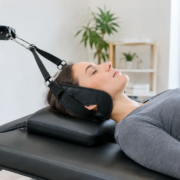
A traction session should feel controlled and tolerable, not aggressive. During cervical traction, you may lie comfortably while a harness supports the head and applies a gentle pull to the neck. During lumbar traction, straps are typically placed around the torso and pelvis while a table or device provides gradual tension.

Many patients describe a feeling of stretch, decompression, or relief from pressure. Some feel relaxed afterward, while others notice mild temporary soreness as tight tissues begin to move differently. The provider should check in during treatment, especially early in care, and adjust the settings if symptoms increase.

A session is commonly paired with other therapies based on your needs. Soft tissue treatment or massage may help calm protective muscle tension. Chiropractic adjustments may improve joint mobility when appropriate. Corrective exercise and rehabilitation help train the body to maintain better movement between appointments. Heat or cold therapy may also be used for comfort during an acute flare-up.

This integrated approach matters because traction may create a window of reduced symptoms, but lasting improvement usually requires addressing the habits and movement patterns that contributed to the problem. Hours at a desk, repetitive lifting, weak supporting muscles, an auto accident injury, and poor recovery after activity can all influence whether pain keeps returning.

Benefits Worth Considering

The strongest benefit of traction is that it is non-surgical and drug-free. For patients who want to avoid relying solely on pain medication or who are not ready to consider invasive procedures, it can be a conservative option worth discussing.

It may also be easier to tolerate than forceful treatment during a painful flare-up. When the right amount of traction decreases symptoms, patients may be able to walk more comfortably, turn their head more freely, or participate more effectively in rehabilitation exercises.

Another advantage is precision. Mechanical traction allows the provider to control the direction, force, and timing of the pull. That can be useful when symptoms change with certain positions or when a patient needs a gentle, repeatable approach.

Still, the benefit depends on the diagnosis. Muscle strain, arthritis, posture-related tension, disc irritation, and nerve symptoms can overlap, but they do not always respond to the same treatment. A personalized exam is more valuable than choosing traction because a friend, online review, or advertisement said it worked for them.

Limitations and Safety Concerns

An honest review of traction therapy needs to include its limits. It cannot correct every cause of pain, and it should not delay appropriate medical evaluation. Pain relief from traction may be temporary if it is not followed by steps that improve strength, mobility, posture, and daily movement habits.

Traction may be inappropriate or require medical clearance for people with certain conditions, including spinal instability, fractures, severe osteoporosis, active cancer involving the spine, some inflammatory disorders, or signs of serious neurological compromise. Pregnancy, recent surgery, and some vascular conditions may also change what treatment is appropriate.

Seek urgent medical attention rather than routine traction care if you have new loss of bowel or bladder control, numbness in the groin area, rapidly worsening weakness, unexplained fever, major trauma, or severe pain that does not improve with rest. These symptoms need prompt medical assessment.

For less urgent concerns, the right provider will ask about your health history, examine your posture and movement, and explain why traction is or is not being recommended. You should not feel pressured into a preset package without a clear clinical reason and a way to measure progress.

How to Judge Whether It Is Working

Do not judge traction by one session alone, but do not continue indefinitely without evidence of improvement. Early positive signs may include less radiating pain, easier movement, better sleep, fewer symptom flare-ups, or increased ability to perform rehabilitation exercises.

Progress should also show up in daily life. Can you sit through a work meeting with less discomfort? Can you look over your shoulder while driving? Can you walk farther, return to the gym safely, or pick up your child with more confidence? Those functional changes matter more than a temporary feeling of being stretched.

At HealthPoint Chiropractic, traction is considered alongside chiropractic adjustments, soft tissue care, massage, and corrective rehabilitation so treatment can match the person, not just the label on their pain. A patient with recent whiplash may need a different plan than a runner with low-back stiffness or an office worker with recurring neck tension.

A Practical Next Step

If back or neck pain is affecting your routine, ask for an evaluation that explains the likely source of your symptoms and the role traction could play. The best care plan should feel understandable, comfortable, and adaptable as your body responds. Relief matters, but the more useful goal is getting back to the movements and moments pain has been taking away from you.

https://www.fortlauderdalewhiplash.com/wp-content/uploads/2026/09/traction-therapy-review-for-back-and-neck-pain-featured.webp 1024 1536 Attydamg2027 https://www.fortlauderdalewhiplash.com/wp-content/uploads/2019/08/logo-healthpoint.png Attydamg20272026-09-17 01:13:512026-09-17 01:13:52Traction Therapy Review for Back and Neck Pain
Workplace Wellness That Helps Your Body Last

Workplace Wellness That Helps Your Body Last

September 16, 2026/in BLOG/by Attydamg2027

A productive workday should not leave you with a stiff neck, aching low back, numb hands, or a headache that follows you home. Yet for many Fort Lauderdale professionals, commuters, and remote workers, those symptoms have become routine. Effective workplace wellness is not about forcing yourself to sit perfectly for eight hours. It is about reducing the physical stress that builds up while you work and addressing pain before it begins to limit your life.

Whether your job keeps you at a desk, behind the wheel, on your feet, or moving equipment, the body responds to repeated positions and motions. A small strain repeated hundreds of times can become muscle tension, joint irritation, poor movement patterns, and persistent pain. The good news is that practical changes, paired with the right care when needed, can help you feel better and stay active.

Why workplace discomfort becomes a bigger problem

Most work-related pain does not begin with one dramatic event. It often develops gradually. You lean toward a laptop screen, hold a phone between your shoulder and ear, twist to reach a file drawer, or sit through meetings without changing position. Each habit may seem minor, but the accumulated load on your spine, muscles, and joints is not.

Desk workers commonly experience forward-head posture, rounded shoulders, upper-back tightness, headaches, and low-back discomfort. Long-distance drivers and commuters may deal with hip tightness, sciatica symptoms, and stiffness from prolonged sitting. People in physically demanding jobs can develop pain from lifting, bending, reaching, or repetitive tasks, especially when fatigue changes their form.

Pain is not always a sign that something is seriously damaged, but it is useful information. Ignoring recurring discomfort can lead people to move less, sleep poorly, and compensate with other parts of the body. That is when a sore neck can affect concentration, or low-back pain can make a simple walk, workout, or weekend activity feel out of reach.

Workplace wellness starts with how you work

There is no single workstation setup that works for every body. Height, job duties, prior injuries, vision needs, and the equipment available all matter. Still, a few adjustments can reduce unnecessary strain.

Your screen should generally be positioned so you can look forward rather than down for long periods. If you use a laptop as your primary computer, consider raising the screen and using a separate keyboard and mouse when possible. This helps reduce the tendency to hunch forward and elevate the shoulders.

Your chair should support a neutral, comfortable position. Keep both feet supported by the floor or a stable footrest, and avoid perching on the edge of the seat for hours. A small lumbar support can be helpful for some people, but it is not a cure-all. The real goal is to avoid remaining in any one position too long.

For standing workstations, alternate rather than trying to stand all day. Standing without movement can still fatigue the feet, legs, hips, and back. Shifting between sitting, standing, and short walking breaks is often more realistic and more comfortable than treating one posture as perfect.

The best posture is a changing posture

Posture matters, but posture advice can become overly rigid. Trying to hold a military-straight position all day can create just as much tension as slouching. Your body is designed to move.

A more helpful approach is to reset often. Every 30 to 60 minutes, change positions for a minute or two. Stand up, walk to get water, gently roll your shoulders, or perform a few comfortable neck and upper-back movements. These small breaks improve circulation and give overloaded tissues a chance to recover.

If your schedule is demanding, attach movement to routines you already have. Stand during a phone call. Walk briefly after sending a major email. Take the stairs for one floor. Stretch your hip flexors while waiting for coffee. Consistency matters more than a long exercise session you never have time to complete.

Protect your back during lifting and repetitive tasks

For employees who lift boxes, assist patients, work in warehouses, or handle tools, workplace wellness must include body mechanics. Before lifting, get close to the object, stabilize your stance, and avoid reaching with the load far from your body. Turn with your feet instead of twisting through the low back while carrying weight.

When an object is too heavy, awkward, or unstable, get help or use available equipment. Pushing a loaded cart may be safer than carrying individual items, but only if the route is clear and the cart is manageable. The goal is not to prove toughness. It is to protect your body so you can continue working without avoidable injury.

Repetitive tasks deserve the same attention. If you perform the same reaching, gripping, bending, or overhead motion for much of the day, vary the task when possible. Adjust work height, switch hands where appropriate, and take brief recovery breaks before pain becomes intense.

Build strength outside the workstation

Ergonomics can reduce strain, but your body also needs strength, mobility, and endurance. Corrective exercise can be especially valuable for people with recurring posture-related discomfort, weak core and hip muscles, or stiffness after long hours of sitting.

The right program depends on your condition. Someone with acute sciatica may need a very different approach than an athlete with shoulder tightness or an office worker with frequent tension headaches. Exercises should be comfortable, controlled, and matched to your current ability. Pushing through sharp pain is not a wellness strategy.

A well-rounded plan often includes gentle mobility work, strengthening for the core and hips, upper-back endurance, and walking or another low-impact activity you can maintain. Even short sessions performed consistently can support better movement at work and beyond it.

When discomfort needs more than a new chair

A better desk setup can help, but it cannot always correct the underlying cause of pain. If symptoms persist, worsen, or interfere with sleep, work, exercise, or daily activities, a professional evaluation is a sensible next step.

At HealthPoint Chiropractic, care is designed around the individual rather than a one-size-fits-all adjustment. Depending on your needs, a treatment plan may include chiropractic adjustments, soft tissue treatment, massage therapy, spinal decompression, traction, heat or cold therapy, and corrective exercise. This integrated approach can help address joint restriction, muscle tension, movement limitations, and the habits that may be contributing to your discomfort.

For example, recurring neck pain from computer work may involve more than neck muscles. Shoulder position, upper-back mobility, workstation height, stress, and prior injury can all play a role. Likewise, low-back pain after long drives may be connected to hip tightness, disc irritation, poor sitting tolerance, or a movement pattern that needs attention. A clear evaluation helps identify which factors deserve focus.

Signs you should not ignore

Seek prompt medical attention for severe pain after a fall, crash, or other trauma; new weakness; loss of balance; numbness that is worsening; or changes in bowel or bladder control. These symptoms need timely assessment.

For less urgent but persistent concerns, do not wait until pain becomes the reason you miss work or avoid activities you enjoy. Early care can often make recovery more manageable, particularly after an auto accident, a work strain, or a flare-up that is not improving with rest and simple changes.

Make workplace wellness a practical routine

The most useful wellness plan is the one you can actually follow during a busy week. Start with one or two changes: raise your screen, take a brief movement break each hour, or ask for help with awkward lifting. Notice how your body feels at the end of the day, not just while you are busy pushing through it.

If pain has already become part of your work routine, you do not have to accept it as the cost of having a job. Small changes can protect your comfort, and personalized chiropractic and rehabilitative care can help you move toward lasting relief. Your work supports your life – your body deserves support, too.

https://www.fortlauderdalewhiplash.com/wp-content/uploads/2026/09/workplace-wellness-that-helps-your-body-last-featured.webp 1024 1536 Attydamg2027 https://www.fortlauderdalewhiplash.com/wp-content/uploads/2019/08/logo-healthpoint.png Attydamg20272026-09-16 01:14:132026-09-16 01:14:13Workplace Wellness That Helps Your Body Last
Desk Stiffness Remedies That Actually Help

Desk Stiffness Remedies That Actually Help

September 15, 2026/in BLOG/by Attydamg2027

That familiar feeling of standing up from your desk and needing a few seconds to straighten out is more than an annoyance. Desk stiffness remedies can help relieve the tight neck, aching low back, rounded shoulders, and sore hips that build up when your body stays in one position for too long. The goal is not to find one magic stretch. It is to reduce the daily strain on your muscles and joints while addressing the movement and posture habits that keep bringing the stiffness back.

For many Fort Lauderdale professionals, long commutes, computer-based work, and phone use create a full day of sitting before exercise or recovery even gets a chance. A few smart changes can make a real difference. If pain is persistent, spreading, or limiting your routine, a personalized evaluation can help identify what is driving the problem.

Why Desk Work Creates Stiffness

Your body is designed to move often, not to hold a perfect posture for eight hours. When you sit at a desk, the muscles at the front of the hips can stay shortened, while the glutes do less work. Your upper back may round forward, and your head may drift in front of your shoulders as you look at a monitor or laptop. Over time, the neck, upper back, and low back muscles work harder to keep you upright.

Stiffness is often the result of this accumulated load. It can feel worse after a busy workday because muscles have been maintaining low-level tension for hours. A poorly positioned screen, chair, keyboard, or phone can increase that tension, but even an excellent workstation cannot cancel out too much uninterrupted sitting.

There is also a difference between ordinary stiffness and pain that needs attention. Mild tightness that improves after walking or gentle movement may respond well to simple daily changes. Sharp pain, numbness, tingling, weakness, pain traveling into an arm or leg, or symptoms after an auto accident deserve professional care. These signs can point to irritation beyond routine muscle tension.

Desk Stiffness Remedies You Can Start Today

The most effective approach combines frequent movement with a workspace that asks less of your body. Start small and stay consistent. Ten minutes of stretching once a week will not offset long periods of stillness, but brief movement breaks throughout the day can.

Change Positions Before You Feel Stuck

Set a reminder to stand, walk, or change position every 30 to 60 minutes. You do not need a long workout break. Refill your water, take a short walk down the hall, stand during a phone call, or do a few slow bodyweight movements beside your desk.

Try gently rolling your shoulders backward, turning your head slowly from side to side, and opening your chest by bringing your arms behind you without forcing the stretch. For the low back and hips, stand up, place your hands on your hips, and gently lean backward a few times. Then take several steps to let your body move naturally again. Stop any movement that causes sharp, shooting, or worsening pain.

Give Your Neck and Upper Back Better Support

A monitor that sits too low can encourage you to look down for hours. Position the top third of your screen near eye level, and place it directly in front of you rather than off to one side. If you use two screens, keep the primary screen centered or arrange both monitors so you are not constantly rotating your neck.

Keep your keyboard and mouse close enough that your elbows can stay near your sides. Reaching forward all day loads the shoulders and upper back. If you work from a laptop, a separate keyboard and mouse can make it easier to raise the screen without putting your hands in an awkward position.

Phone posture matters too. Holding a phone between your shoulder and ear, or spending long stretches looking down at the screen, can aggravate neck stiffness and headaches. Use speakerphone or a headset for longer calls, and bring the phone closer to eye level when possible.

Make Sitting Less Demanding on Your Low Back and Hips

Sit all the way back in your chair so your back is supported. Your feet should rest flat on the floor or on a stable footrest, with your knees roughly level with your hips. If your chair is too deep, a small lumbar cushion or rolled towel behind the low back may provide gentle support.

Avoid crossing your legs for long periods if you notice it leaves your hips or low back feeling uneven. That position is not automatically harmful, but it can be a problem when it becomes your default for hours. Alternate positions and give both feet a stable surface.

A sit-stand desk can be useful, but it is not a cure by itself. Standing in one posture all day can also cause fatigue and stiffness. The benefit comes from alternating between sitting, standing, and walking. If you use a standing desk, begin with short intervals and adjust gradually rather than forcing yourself to stand for most of the day.

Use Heat, Then Move Gently

For muscle tightness without a new injury, moist heat or a warm shower may help relax stiff areas before you stretch or walk. Keep the temperature comfortable and avoid falling asleep with a heating pad in place. Gentle movement after heat is often more useful than returning immediately to the same seated position.

Cold therapy can be a better choice when an area feels newly irritated, swollen, or inflamed after activity. The right option depends on your symptoms and how your body responds. Neither heat nor cold should cause pain, numbness, or skin irritation.

Build Strength Outside Work Hours

Stretching can provide relief, but strength and endurance help your body tolerate daily demands. Exercises that improve core control, upper-back strength, hip mobility, and glute activation can support better movement at your desk and beyond it. A program should fit your current condition. Someone with occasional tightness may do well with basic mobility and strength work, while someone with disc symptoms, sciatica, or a recent injury may need a more specific plan.

When Home Care Is Not Enough

Desk-related stiffness should not take over your workday, sleep, workouts, or time with family. Schedule an evaluation if symptoms keep returning despite workstation changes and regular movement, or if discomfort has lasted more than a few weeks. You should also seek care promptly after a car accident, fall, sports injury, or sudden onset of severe pain.

Neck pain paired with frequent headaches, low back pain that travels down the leg, or tingling in the hands or feet may indicate nerve involvement. These symptoms do not always mean a serious condition, but they should not be ignored or repeatedly covered up with medication alone. A thorough assessment can determine whether joints, muscles, discs, nerves, posture habits, or a combination of factors are involved.

A More Complete Path to Relief

Lasting improvement usually requires more than cracking your back or doing a few stretches when pain flares. Chiropractic adjustments may help restore joint motion and reduce restriction when clinically appropriate. Massage and soft tissue treatment can address muscle tension, while corrective exercise and rehabilitation build the strength and control needed to maintain progress.

At HealthPoint Chiropractic, care can be tailored to the person in front of us, not just the body part that hurts. Depending on your exam and goals, a plan may include chiropractic care alongside traction, spinal decompression, massage therapy, posture guidance, and therapeutic exercise. This integrated approach is especially helpful when desk stiffness is tied to old injuries, long-term posture strain, or recurring neck and back pain.

You do not have to wait until stiffness becomes a problem you plan your day around. Start with more movement, a better desk setup, and attention to what your symptoms are telling you. When discomfort keeps pulling you away from work, sleep, or the activities you enjoy, compassionate, non-surgical care can help you move forward with more confidence and comfort.

https://www.fortlauderdalewhiplash.com/wp-content/uploads/2026/09/desk-stiffness-remedies-that-actually-help-featured.webp 1024 1536 Attydamg2027 https://www.fortlauderdalewhiplash.com/wp-content/uploads/2019/08/logo-healthpoint.png Attydamg20272026-09-15 01:13:552026-09-15 01:13:56Desk Stiffness Remedies That Actually Help
Best Treatments for Runner’s Knee That Really Work

Best Treatments for Runner’s Knee That Really Work

September 14, 2026/in BLOG/by Attydamg2027

A sharp ache around or behind the kneecap can turn an easy Fort Lauderdale run into a frustrating stop-and-start cycle. The best treatments for runners knee do not simply focus on quieting pain for a day. They identify why the knee is being overloaded, calm irritated tissue, and build the strength and movement control needed to run with more confidence.

Runner’s knee is a common name for patellofemoral pain syndrome, which usually causes discomfort at the front of the knee or around the kneecap. It may hurt during running, squatting, climbing stairs, sitting with the knee bent for a long time, or getting up after a movie or drive. While it is common in runners, it can also affect people who walk for exercise, play court sports, or spend long hours sitting at a desk.

Why runner’s knee needs more than rest

Pain at the kneecap is often a load-management problem, not necessarily a sign that something is seriously damaged. A sudden jump in mileage, hill training, speed work, new shoes, or a return to activity after time away can exceed what the knee is ready to handle.

But training volume is only part of the picture. Weakness or poor control at the hips, limited ankle mobility, tight or overworked thigh muscles, foot mechanics, and running form can all change how force travels through the knee. In South Florida, running in heat and humidity can also contribute to fatigue, which may affect form late in a workout.

Complete rest can be useful briefly when pain is significant, but weeks of doing nothing may leave the supporting muscles weaker and make the return to activity harder. The better approach is usually relative rest: reducing the movements that aggravate symptoms while staying active in ways your knee tolerates.

Best treatments for runners knee: a combined approach

There is no single treatment that works for every runner. The most effective care plan usually combines activity modification, targeted rehabilitation, and hands-on treatment when muscle tension or joint restrictions are contributing to the problem.

Adjust training without giving up all movement

Start by identifying the activities that consistently bring on pain. You may need to temporarily reduce running distance, avoid steep hills, skip speed intervals, or choose flatter routes. If pain is mild and does not worsen during the run or linger into the next day, some runners can continue with shorter, easier sessions. If it changes your stride, becomes sharp, or increases as you run, stop and scale back.

Low-impact exercise can help maintain fitness while the knee settles down. Cycling with low resistance, pool running, swimming, or an elliptical may be reasonable options if they do not aggravate symptoms. The goal is not to push through pain. It is to keep the body moving without repeatedly irritating the knee.

Strengthen the hips, thighs, and core

Rehabilitation exercises are among the most reliable treatments for runner’s knee because they address the muscles that help control knee position and absorb force. The hip muscles, especially the glutes, help prevent the thigh from rotating inward excessively during running, landing, and stairs. The quadriceps also support the kneecap and help control deceleration.

A clinician may recommend exercises such as bridges, side-lying leg raises, clamshells, step-downs, controlled squats, split squats, and single-leg balance work. The right exercise is less about what is trendy and more about whether you can perform it with proper alignment and manageable discomfort.

Progression matters. Beginning with simple controlled movements and moving toward single-leg strength, jumping, and running drills gives the knee time to adapt. Doing advanced exercises too early can recreate the same overload that caused the pain in the first place.

Improve mobility and soft tissue function

Limited movement at the ankles, hips, or surrounding muscles can force the knee to compensate. Tightness through the calves, hamstrings, quadriceps, hip flexors, or outer thigh may not be the sole cause of runner’s knee, but it can contribute to inefficient movement and ongoing tension.

Targeted stretching, mobility work, and soft tissue treatment may help improve comfort and make rehabilitation exercises easier to perform. Massage therapy and manual soft tissue work can be especially helpful when muscle guarding is limiting your range of motion. Heat may be useful before activity for stiffness, while cold therapy can help reduce soreness after an activity flare-up.

These treatments should support an active recovery plan, not replace it. A massage may feel good, but longer-lasting improvement usually requires better strength, control, and training decisions as well.

Address joint mechanics and movement patterns

The knee does not work alone. Restricted motion in the hips, ankles, feet, or lower back can affect stride mechanics and place added stress on the knee. A chiropractic and rehabilitative evaluation can assess how your joints move, how your muscles are working, and where your body may be compensating.

When appropriate, gentle chiropractic adjustments, mobilization, traction-based care, or soft tissue treatment may help restore more comfortable movement. Corrective exercise then helps your body maintain those improvements. This integrated approach is particularly useful for runners who have knee pain along with hip tightness, low back discomfort, posture issues, or recurring muscle tension.

At HealthPoint Chiropractic, care can combine hands-on treatment with rehabilitation and exercise guidance so the focus stays on both pain relief and the movement habits behind the problem.

Consider footwear and running form carefully

New shoes are not an automatic cure, but worn-out footwear, a sudden change in shoe type, or shoes that feel unstable can influence symptoms. If you recently switched from a highly cushioned shoe to a minimalist style, or changed your running surface dramatically, your tissues may need more time to adapt.

Running form can matter too, especially if you overstride or your knee collapses inward with fatigue. Still, forcing a major form change without guidance can shift stress somewhere else, such as the calf, Achilles tendon, or foot. A gradual assessment-based adjustment is safer than copying another runner’s stride.

How to return to running safely

A successful return is based on your response, not just the calendar. Before increasing mileage, you should be able to walk briskly, climb stairs, perform controlled bodyweight squats, and complete basic single-leg exercises without significant pain or swelling.

When you restart, choose a flat route and an easy pace. Run-walk intervals are often more manageable than trying to return immediately to your previous distance. Increase only one variable at a time: distance, speed, hills, or frequency. If your knee is more painful later that day or the next morning, reduce the workload and give it more time.

Keep strength work in your routine even after symptoms improve. Runner’s knee often returns when a person resumes full training but stops the exercises that helped improve control and capacity.

When knee pain needs prompt evaluation

Not all knee pain is runner’s knee. Seek an evaluation promptly if you have major swelling, bruising, a popping sensation at the time of injury, knee instability, locking, inability to bear weight, fever, redness, or pain that is severe at rest. Those symptoms can point to a different injury or condition that needs medical attention.

You should also get professional guidance if pain has lasted more than a couple of weeks despite reducing activity, keeps returning whenever you run, or is affecting your work, sleep, or daily movement. An accurate assessment can prevent you from treating the wrong problem.

Runner’s knee can be discouraging, especially when running is part of how you manage stress and stay healthy. With a plan that respects pain, restores movement, and gradually rebuilds strength, many runners can return to the roads, trails, and workouts they enjoy without letting knee pain set the pace.

https://www.fortlauderdalewhiplash.com/wp-content/uploads/2026/09/best-treatments-for-runners-knee-that-really-work-featured.webp 1024 1536 Attydamg2027 https://www.fortlauderdalewhiplash.com/wp-content/uploads/2019/08/logo-healthpoint.png Attydamg20272026-09-14 01:14:152026-09-14 01:14:16Best Treatments for Runner’s Knee That Really Work
Page 4 of 16«‹23456›»

Follow us on Facebook

Recent Post

  • Can Chiropractic Treat Numbness Safely? What to Know
  • Chronic Pain Management That Targets the Cause
  • Your Whiplash Recovery Timeline, Week by Week
  • Spinal Decompression Reviews That Help You Decide
  • Best Non-Surgical Back Treatments That Work

We are always available to talk with you and address your concerns.

Call Us Now For Relief!


Please feel free to contact HealthPoint Chiropractic during the following hours through our office phone number or e-mail address.

Contact US Services

SERVICES


Arthrostim


An Arthrostim is an instrument that is used as a less forceful alternative to manual adjustments.

Learn More

Beginner Yoga Classes


Yoga offers many health benefits. Yoga, if properly practiced, can help your body heal more quickly.

Learn More

Cox Flexion Distraction


Cox Technic is research-documented spinal manipulation to relieve lower back pain, neck pain.

Learn More

Decompression Therapy


HealthPoint provides a quality, cost-affective and non-surgical alternative to relieve pain associated.

Learn More

Treatment For Neck


Back pain is among the leading causes of disability and missed work. Up to 50% of working Americans.

Learn More

Diathermy


In the natural sciences, the term diathermy [di’ah-ther”me] means “electrically induced heat”.

Learn More

DTS Therapy


DTS Therapy is an Alternative to Surgery: Why live in debilitating pain when your condition.

Learn More

Intersegmental Traction


Intersegmental Traction (IST), also know as the “Roller Table” is mostly described by our patients.

Learn More

Inversion Therapy


Inversion treatments are safe and effective. It involves being upside down at a specific angle for therapeutic.

Learn More

Massage Treatment


Here at HealthPoint, we provide various types of massages. From Swedish and Therapeutic to Sports.

Learn More

About

Dr. Neilen has been practicing chiropractic medicine in Fort Lauderdale since 2011. Graduating from Palmer College of Chiropractic Florida Dr. Neilen wasted no time and immediately began as an associate at a local chiropractic office in fort lauderdale. He used the next 2 years to fine tune his adjusting skills and become a well rounded businessman and Doctor of Chiropractic.

QUICK LINKS

ABOUT

SERVICES

ARTHROSTIM GENTLE AND EFFECTIVE

BEGINNER YOGA CLASES

AUTO ACCIDENTS

BLOG

CONTACT US

LOCATION

CONTACT

PHONE:
(954) 332-9999

OFFICE HOURS:
Mon,Wed,Fri:
8:30am – 12:00pm
2:30pm – 6:00pm

Tues: 2:30pm – 6:00pm

Thurs: 8:30am – 12:00pm

Legal Marketing Solutions by USAttorneys.com
    Scroll to top