
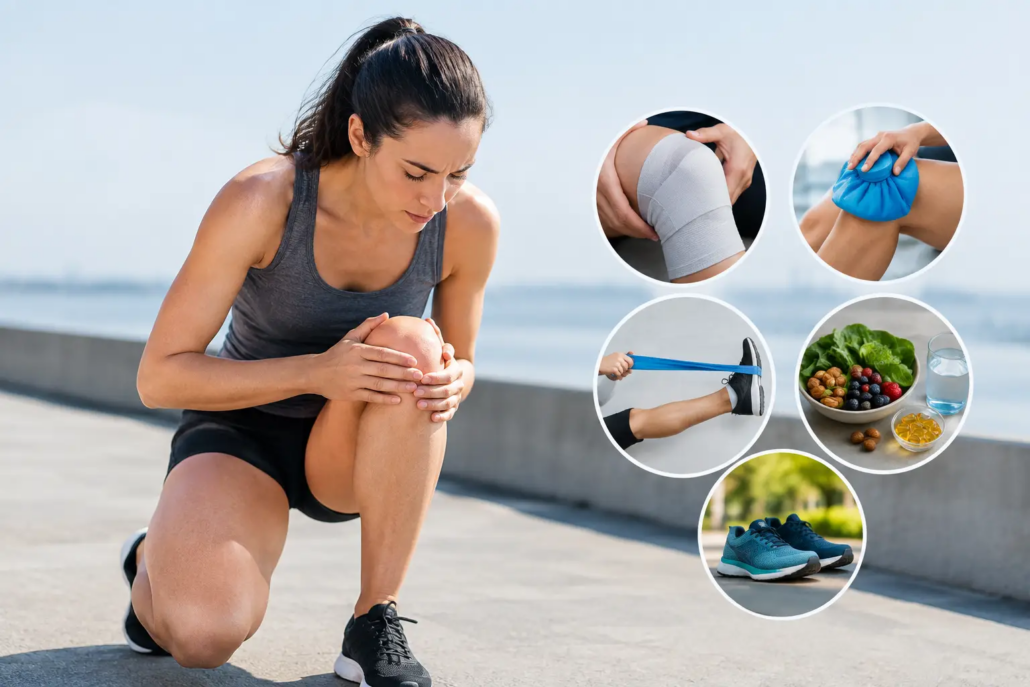
Best Treatments for Runner’s Knee That Really Work
A sharp ache around or behind the kneecap can turn an easy Fort Lauderdale run into a frustrating stop-and-start cycle. The best treatments for runners knee do not simply focus on quieting pain for a day. They identify why the knee is being overloaded, calm irritated tissue, and build the strength and movement control needed to run with more confidence.
Runner’s knee is a common name for patellofemoral pain syndrome, which usually causes discomfort at the front of the knee or around the kneecap. It may hurt during running, squatting, climbing stairs, sitting with the knee bent for a long time, or getting up after a movie or drive. While it is common in runners, it can also affect people who walk for exercise, play court sports, or spend long hours sitting at a desk.
Why runner’s knee needs more than rest
Pain at the kneecap is often a load-management problem, not necessarily a sign that something is seriously damaged. A sudden jump in mileage, hill training, speed work, new shoes, or a return to activity after time away can exceed what the knee is ready to handle.
But training volume is only part of the picture. Weakness or poor control at the hips, limited ankle mobility, tight or overworked thigh muscles, foot mechanics, and running form can all change how force travels through the knee. In South Florida, running in heat and humidity can also contribute to fatigue, which may affect form late in a workout.
Complete rest can be useful briefly when pain is significant, but weeks of doing nothing may leave the supporting muscles weaker and make the return to activity harder. The better approach is usually relative rest: reducing the movements that aggravate symptoms while staying active in ways your knee tolerates.
Best treatments for runners knee: a combined approach
There is no single treatment that works for every runner. The most effective care plan usually combines activity modification, targeted rehabilitation, and hands-on treatment when muscle tension or joint restrictions are contributing to the problem.
Adjust training without giving up all movement
Start by identifying the activities that consistently bring on pain. You may need to temporarily reduce running distance, avoid steep hills, skip speed intervals, or choose flatter routes. If pain is mild and does not worsen during the run or linger into the next day, some runners can continue with shorter, easier sessions. If it changes your stride, becomes sharp, or increases as you run, stop and scale back.
Low-impact exercise can help maintain fitness while the knee settles down. Cycling with low resistance, pool running, swimming, or an elliptical may be reasonable options if they do not aggravate symptoms. The goal is not to push through pain. It is to keep the body moving without repeatedly irritating the knee.
Strengthen the hips, thighs, and core
Rehabilitation exercises are among the most reliable treatments for runner’s knee because they address the muscles that help control knee position and absorb force. The hip muscles, especially the glutes, help prevent the thigh from rotating inward excessively during running, landing, and stairs. The quadriceps also support the kneecap and help control deceleration.
A clinician may recommend exercises such as bridges, side-lying leg raises, clamshells, step-downs, controlled squats, split squats, and single-leg balance work. The right exercise is less about what is trendy and more about whether you can perform it with proper alignment and manageable discomfort.
Progression matters. Beginning with simple controlled movements and moving toward single-leg strength, jumping, and running drills gives the knee time to adapt. Doing advanced exercises too early can recreate the same overload that caused the pain in the first place.
Improve mobility and soft tissue function
Limited movement at the ankles, hips, or surrounding muscles can force the knee to compensate. Tightness through the calves, hamstrings, quadriceps, hip flexors, or outer thigh may not be the sole cause of runner’s knee, but it can contribute to inefficient movement and ongoing tension.
Targeted stretching, mobility work, and soft tissue treatment may help improve comfort and make rehabilitation exercises easier to perform. Massage therapy and manual soft tissue work can be especially helpful when muscle guarding is limiting your range of motion. Heat may be useful before activity for stiffness, while cold therapy can help reduce soreness after an activity flare-up.
These treatments should support an active recovery plan, not replace it. A massage may feel good, but longer-lasting improvement usually requires better strength, control, and training decisions as well.
Address joint mechanics and movement patterns
The knee does not work alone. Restricted motion in the hips, ankles, feet, or lower back can affect stride mechanics and place added stress on the knee. A chiropractic and rehabilitative evaluation can assess how your joints move, how your muscles are working, and where your body may be compensating.
When appropriate, gentle chiropractic adjustments, mobilization, traction-based care, or soft tissue treatment may help restore more comfortable movement. Corrective exercise then helps your body maintain those improvements. This integrated approach is particularly useful for runners who have knee pain along with hip tightness, low back discomfort, posture issues, or recurring muscle tension.
At HealthPoint Chiropractic, care can combine hands-on treatment with rehabilitation and exercise guidance so the focus stays on both pain relief and the movement habits behind the problem.
Consider footwear and running form carefully
New shoes are not an automatic cure, but worn-out footwear, a sudden change in shoe type, or shoes that feel unstable can influence symptoms. If you recently switched from a highly cushioned shoe to a minimalist style, or changed your running surface dramatically, your tissues may need more time to adapt.
Running form can matter too, especially if you overstride or your knee collapses inward with fatigue. Still, forcing a major form change without guidance can shift stress somewhere else, such as the calf, Achilles tendon, or foot. A gradual assessment-based adjustment is safer than copying another runner’s stride.
How to return to running safely
A successful return is based on your response, not just the calendar. Before increasing mileage, you should be able to walk briskly, climb stairs, perform controlled bodyweight squats, and complete basic single-leg exercises without significant pain or swelling.
When you restart, choose a flat route and an easy pace. Run-walk intervals are often more manageable than trying to return immediately to your previous distance. Increase only one variable at a time: distance, speed, hills, or frequency. If your knee is more painful later that day or the next morning, reduce the workload and give it more time.
Keep strength work in your routine even after symptoms improve. Runner’s knee often returns when a person resumes full training but stops the exercises that helped improve control and capacity.
When knee pain needs prompt evaluation
Not all knee pain is runner’s knee. Seek an evaluation promptly if you have major swelling, bruising, a popping sensation at the time of injury, knee instability, locking, inability to bear weight, fever, redness, or pain that is severe at rest. Those symptoms can point to a different injury or condition that needs medical attention.
You should also get professional guidance if pain has lasted more than a couple of weeks despite reducing activity, keeps returning whenever you run, or is affecting your work, sleep, or daily movement. An accurate assessment can prevent you from treating the wrong problem.
Runner’s knee can be discouraging, especially when running is part of how you manage stress and stay healthy. With a plan that respects pain, restores movement, and gradually rebuilds strength, many runners can return to the roads, trails, and workouts they enjoy without letting knee pain set the pace.





