
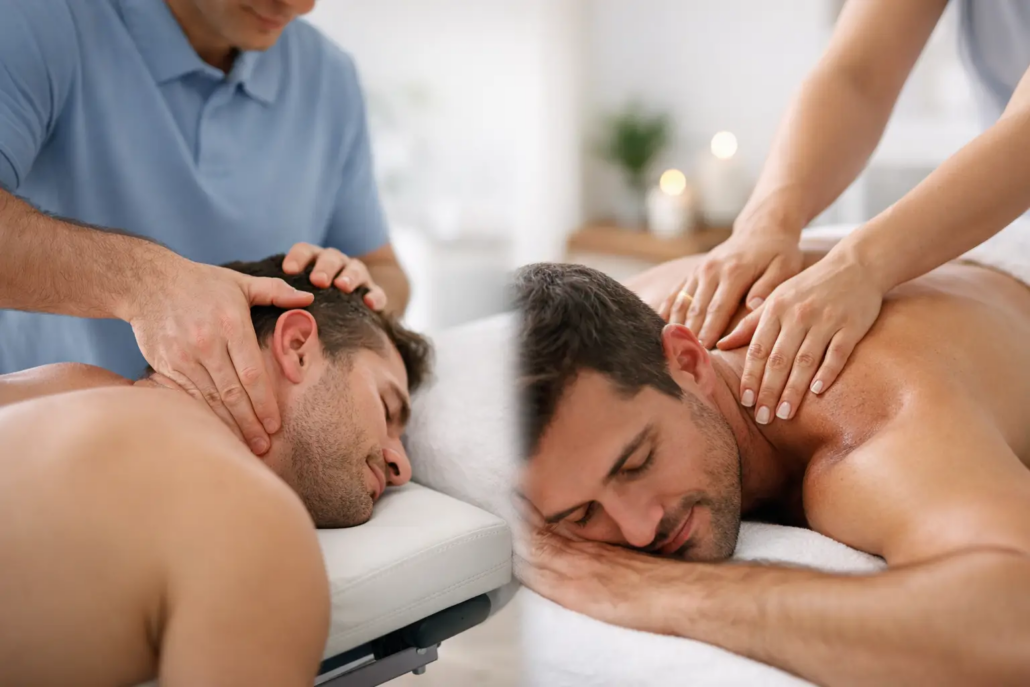
Is Massage After Chiropractic Adjustment Safe?
A chiropractic adjustment can improve joint motion, reduce stiffness, and help your body move with less discomfort. But when tight muscles continue pulling on the spine, many patients ask whether massage after chiropractic adjustment is a good idea. For the right patient, at the right time, it can be a valuable part of a more complete recovery plan.
Massage and chiropractic care do different jobs. An adjustment focuses on restricted joint movement and spinal alignment. Massage therapy addresses muscle tension, soft tissue irritation, and the protective guarding that often develops around painful areas. Used thoughtfully, the two therapies can help the body hold onto the benefits of treatment longer.
Why Massage After Chiropractic Adjustment Can Help
Pain rarely comes from one structure alone. A stiff lower back may involve irritated joints, tight hip flexors, weak core muscles, and a work setup that keeps you seated for hours. Neck pain may include restricted cervical joints, muscle knots in the upper back, poor posture, or the lingering effects of a car accident.
After an adjustment restores better motion to a restricted area, massage can help calm the surrounding muscles. This may reduce the tight, pulling sensation that contributes to recurring discomfort. For patients with back pain, neck pain, headaches, sciatica, or posture-related strain, this combination can make movement feel easier and more comfortable.
Massage may also support circulation in soft tissues and help patients relax after days or weeks of guarding against pain. That matters because tense muscles can limit range of motion even when the joints themselves are moving better. When appropriate, soft tissue work can make corrective exercises and rehabilitation more productive as well.
The goal is not simply to feel loose for an hour. At HealthPoint Chiropractic, integrated care is designed to address the factors keeping pain active, then help you build better movement patterns over time.
Is It Better to Get Massage Before or After an Adjustment?
There is no one sequence that fits every patient. In many cases, light massage or soft tissue treatment before an adjustment helps relax guarded muscles and prepares the area for treatment. In other cases, massage after chiropractic adjustment is more useful because it helps settle muscles once mobility has improved.
The best timing depends on the condition being treated, the level of inflammation, and how your body responds. Someone with chronic desk-related neck tension may benefit from gentle soft tissue work before and after an adjustment. A patient recovering from a recent auto accident, however, may need a more cautious plan that avoids aggressive pressure while tissues are irritated.
Your chiropractor should assess the source of your symptoms rather than applying the same routine at every visit. That assessment can include your range of motion, tenderness, posture, injury history, daily activities, and response to previous care.
When same-day massage may make sense
For stable muscle tightness, chronic stiffness, or repetitive strain, massage on the same day can be practical and effective. It is often helpful for office workers with upper-back tension, active adults with overworked muscles, and patients whose limited mobility is being maintained by muscular guarding.
The massage does not need to be deep to be useful. In fact, moderate or gentle techniques may be more appropriate when an area is sensitive. The right level of pressure should leave you feeling calmer and freer to move, not bruised, sore, or worse the next day.
When waiting is the smarter choice
Some situations call for a slower approach. If you have significant swelling, a fresh injury, severe inflammation, a fracture, fever, unexplained symptoms, or pain that is rapidly worsening, massage may need to be postponed or modified. Deep tissue work is also not automatically appropriate after a collision, a severe flare-up, or a recent procedure.
Patients who take blood thinners, have certain circulation conditions, have osteoporosis, or have had recent surgery should discuss massage techniques and timing with their health care provider. A responsible treatment plan respects these limits. More pressure is not the same as better care.
What You May Feel After Combined Treatment
Many patients feel looser, lighter, or more mobile after chiropractic and massage care. Others notice mild tenderness, especially if their muscles have been tight for a long time or they are beginning treatment after an injury. Mild soreness should be temporary and manageable, similar to what you might feel after trying a new workout.
Drinking water, taking a short walk, and avoiding prolonged slouched sitting can help your body adjust after treatment. Heat or cold may also be recommended depending on whether muscle tightness or acute inflammation is the larger issue. Your provider can tell you which option fits your symptoms.
Pay attention to how your body responds over the next 24 to 48 hours. Contact your provider if you develop severe pain, increasing numbness or weakness, unusual dizziness, worsening headaches, loss of bowel or bladder control, or any symptom that feels alarming. Those signs deserve prompt medical attention rather than another massage appointment.
Massage Is Most Effective as Part of a Plan
Massage can provide meaningful relief, but it is usually not the entire answer for recurring pain. If the underlying problem includes poor posture, weak stabilizing muscles, repetitive lifting, a poorly arranged workstation, or limited hip mobility, the tension may return unless those contributors are addressed.
That is where rehabilitative care matters. A personalized plan may pair adjustments and massage with corrective exercise, traction or decompression when indicated, posture guidance, and practical changes to daily movement. For a commuter with low back pain, that might mean improving hip mobility and learning better sitting breaks. For someone with whiplash, it may mean restoring neck motion gradually while building strength and confidence in movement.
This approach also gives your care team useful feedback. If massage provides relief but pain quickly returns, the next step may be to evaluate the mechanics driving the tension. If a certain technique creates more soreness than benefit, treatment can be adjusted. Recovery should be responsive to your body, not forced into a preset schedule.
Questions to Ask Before Your Session
Before receiving massage in connection with chiropractic care, tell your provider exactly where you hurt, what movements aggravate symptoms, and whether you have had a recent injury or change in symptoms. Be specific about numbness, tingling, headaches, radiating pain, medications, past surgeries, and medical conditions.
It also helps to ask what the massage is intended to accomplish. Is the goal to reduce guarding before an adjustment? Improve soft tissue mobility afterward? Help you tolerate rehabilitation exercises? A clear answer helps you understand your care and participate actively in it.
If you are new to chiropractic treatment, you do not have to choose between short-term comfort and long-term improvement. The right combination of hands-on care, movement-based rehabilitation, and guidance can support both. Start with an evaluation that identifies what is driving your pain, then let your treatment plan earn your confidence one comfortable movement at a time.