Best Treatments for Sciatica Relief That Last
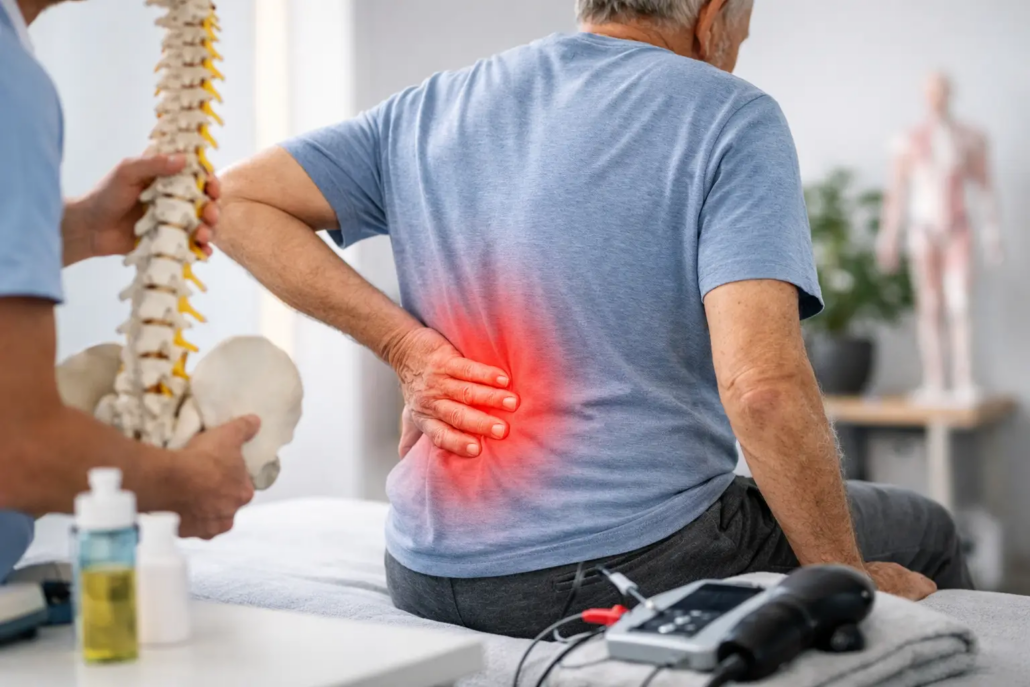
A sharp, burning pain that starts in your low back and travels into your hip, leg, or foot can make sitting at work, driving on I-95, or sleeping through the night feel impossible. The best treatments for sciatica relief do more than temporarily numb that pain. They identify what is irritating the sciatic nerve, reduce the pressure and inflammation involved, and help your body move more normally again.
Sciatica is not a diagnosis by itself. It is a pattern of symptoms caused by irritation or compression of the sciatic nerve or the nerve roots that form it. A bulging disc, spinal narrowing, joint dysfunction, muscle tension, poor movement habits, or an injury can all play a role. That is why the right treatment depends on the person, the cause, and how long symptoms have been present.
Start With a Clear Sciatica Evaluation
Before choosing treatment, a provider should determine whether your pain is likely coming from a disc issue, spinal joint restriction, muscle involvement, or another condition. The location of the pain matters, but so do changes in strength, reflexes, sensation, walking tolerance, and movement patterns.
For example, pain that worsens with sitting and bending may behave differently than pain that becomes severe while standing or walking. A recent auto accident, lifting injury, long commute, or sudden increase in exercise can also provide useful clues. A thorough exam helps avoid a one-size-fits-all approach and guides the care plan toward the structures most likely contributing to your symptoms.
There are times when sciatica requires urgent medical attention. Seek immediate care if you develop new loss of bladder or bowel control, numbness in the groin or inner thighs, significant or worsening leg weakness, fever with severe back pain, or symptoms after a serious fall or accident. These signs need prompt evaluation.
Best Treatments for Sciatica Relief: A Combined Approach
Many people get the strongest results from conservative care that combines several appropriate therapies instead of relying on one method alone. The goal is to calm irritated tissues while restoring the mobility, strength, and control that help prevent the same problem from returning.
Chiropractic Adjustments
Chiropractic adjustments may help when restricted movement in the lower back, pelvis, or surrounding joints is contributing to nerve irritation. Gentle, targeted adjustments are designed to improve joint motion and reduce mechanical stress through the spine.
For some patients, this can reduce pain quickly and make it easier to walk, sit, or move without guarding. Adjustments are not a replacement for rehabilitation, however. Lasting improvement often requires addressing the muscle weakness, posture habits, and movement patterns that allowed the problem to develop or persist.
Spinal Decompression and Traction Therapy
When a disc bulge or disc-related pressure is suspected, spinal decompression or traction therapy may be recommended. These therapies use controlled stretching to create space in the spine and reduce loading on affected discs and nerve roots.
Decompression is not appropriate for every type of sciatica, and results can vary based on the underlying condition. Still, for properly selected patients, it can be a valuable non-surgical option that reduces leg pain and supports the body’s healing process. It is often most effective as part of a broader plan that includes chiropractic care and corrective exercise.
Soft Tissue Treatment and Massage Therapy
Sciatica frequently causes muscles around the low back, hips, and legs to tighten in response to pain. The piriformis muscle in the buttock, hip flexors, hamstrings, and lower back muscles can all become overactive, making movement more difficult and adding to discomfort.
Massage therapy and other soft tissue treatments can help decrease muscle guarding, improve circulation, and restore more comfortable movement. This is especially useful for people whose symptoms are aggravated by long hours at a desk, frequent driving, repetitive lifting, or athletic training. Massage may feel relieving right away, but it works best when followed by movement retraining rather than used as a stand-alone solution.
Corrective Exercise and Physical Rehabilitation
Rehabilitation is often the bridge between short-term relief and long-term recovery. Once pain is manageable, carefully selected exercises can improve core stability, hip strength, flexibility, balance, and body mechanics.
The right exercises should match your presentation. Someone with acute, highly irritable pain may need gentle directional movements and walking progression before strengthening. Someone whose symptoms have lingered for months may need more emphasis on hip mobility, abdominal control, glute strength, and safe lifting mechanics.
Generic online stretches can help some people, but they can also aggravate symptoms if they are poorly matched to the cause of pain. Aggressive hamstring stretching, for instance, may worsen nerve sensitivity in certain cases. A guided rehabilitation plan allows exercise intensity to progress as your condition improves.
Heat and Cold Therapy
Heat and cold are simple tools, but timing matters. Cold packs can be useful during a recent flare-up when pain feels sharp, inflamed, or aggravated after activity. Heat may be more comfortable for tight, stiff muscles and chronic soreness.
Use either for short periods, generally around 15 to 20 minutes, with a protective barrier between the pack and your skin. These treatments can make daily life more manageable, but they do not correct the reason the nerve became irritated. Think of them as supportive care, not the full plan.
What You Can Do at Home During a Flare-Up
Complete bed rest is rarely the answer for sciatica. Staying still for too long can increase stiffness, weaken supporting muscles, and make returning to activity harder. Instead, keep movement gentle and frequent within your tolerance.
Short walks, changing positions regularly, and avoiding prolonged slouched sitting can be helpful. If you work at a computer, stand up and move for a few minutes at least once an hour. When driving, especially on longer South Florida commutes, adjust the seat so you are not reaching for the pedals and consider taking breaks when possible.
Pay attention to what consistently triggers leg pain. Heavy lifting, repeated bending and twisting, deep forward folds, and high-impact workouts may need to be temporarily modified. This does not mean you must stop being active. It means choosing activity that supports recovery instead of repeatedly provoking the nerve.
Medication and Injections: Where They Fit
Over-the-counter anti-inflammatory medication or pain relievers may provide temporary relief for some people, provided they are safe based on their medical history and other medications. Prescription medication, injections, or referral to a pain specialist may be appropriate when pain is severe or does not respond to conservative care.
These options can have a role, particularly when symptoms make it difficult to participate in rehabilitation. The trade-off is that medication and injections may reduce symptoms without fully addressing poor spinal mechanics, muscle imbalance, or functional limitations. For many patients, they are most useful as one part of a coordinated plan rather than the only treatment.
Surgery is generally considered when significant nerve compression causes progressive weakness, serious neurologic symptoms, or persistent disabling pain that has not improved with appropriate conservative care. Many cases of sciatica improve without surgery, especially when treatment starts early and is tailored to the individual.
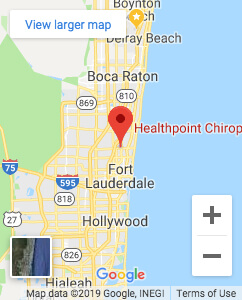
When to Seek Care for Sciatica in Fort Lauderdale
If leg pain is limiting your work, sleep, exercise, or ability to enjoy daily activities, waiting for it to disappear on its own can prolong the problem. Early evaluation can help determine whether chiropractic care, decompression, massage, rehabilitation, or a combination of therapies is appropriate.
At HealthPoint Chiropractic, care is built around identifying the source of discomfort and creating a practical path back to comfortable movement. Same-day appointments can make it easier to get help when a flare-up is disrupting your life.
Sciatica can feel alarming, especially when pain shoots down the leg without warning. With an accurate evaluation, a personalized treatment plan, and steady progress toward better movement, relief can become more than a temporary break from pain.