How Chiropractic Reduces Muscle Spasms and Pain
A muscle spasm can make a normal workday, commute, workout, or night of sleep feel impossible. The muscle may tighten suddenly, knot up repeatedly, or stay guarded for days after an injury. Understanding how chiropractic reduces muscle spasms can help you choose care that looks beyond temporary relief and addresses why the muscle is reacting in the first place.
Muscle spasms are not always a problem inside the muscle alone. They are often part of the body’s protective response to joint irritation, restricted movement, poor posture, overuse, or an injury such as whiplash. Chiropractic care can help restore healthier movement, reduce mechanical stress, and support the muscles as they return to a more relaxed, functional state.
Why Muscles Go Into Spasm
A spasm is an involuntary muscle contraction. It can feel like a sharp cramp, a deep knot, twitching, or a hard band of tight tissue. In the neck and back, spasms commonly develop when muscles are asked to protect an area that feels unstable, inflamed, or overloaded.
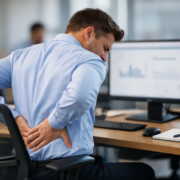
For example, sitting with the head forward over a laptop can place ongoing strain on the neck and upper-back muscles. A sudden car accident can irritate spinal joints and soft tissues, causing the body to brace the area. Repetitive lifting, a poor movement pattern at the gym, dehydration, or sleeping in an awkward position can also contribute.
The body is trying to help, but prolonged guarding can create its own problems. Tight muscles can limit range of motion, compress sensitive tissues, disrupt sleep, and make everyday movements painful. When the original source of irritation is not addressed, the spasm may keep returning.
How Chiropractic Reduces Muscle Spasms at the Source
Chiropractic treatment focuses on the relationship between spinal joints, the nervous system, muscles, and movement. A chiropractor does not simply try to force a tight muscle to relax. The goal is to identify the mechanical or functional issue that may be keeping the muscle on alert.
Improving Restricted Joint Motion
When a spinal joint is not moving well, nearby muscles may work harder to stabilize the area. This is common in the neck, mid-back, low back, hips, and shoulders. Reduced motion can develop after an injury, prolonged sitting, repetitive work, or gradual postural changes.
A precise chiropractic adjustment may improve movement in restricted joints. As motion becomes more balanced, the surrounding muscles may no longer need to brace as aggressively. Many patients notice that their neck or back feels less locked up after treatment, although the response varies based on the cause and duration of the spasm.
Reducing Irritation That Triggers Guarding
Muscles receive constant feedback from joints, nerves, and surrounding tissues. If an irritated joint or strained soft tissue repeatedly signals danger, the nervous system may keep the muscle contracted as a protective measure.
By addressing joint dysfunction and improving movement, chiropractic care may reduce the irritation contributing to that protective response. This is particularly relevant for people dealing with neck spasms after a rear-end collision, low-back tightness with sciatica symptoms, or recurring upper-back tension related to desk work.
Restoring Better Movement Patterns
A spasm often changes the way a person moves. You may turn your whole body instead of your neck, avoid bending, shift weight to one side, or stop using a shoulder normally. Those compensations can overload other muscles and extend recovery.
Chiropractic care can be paired with guided movement and corrective exercise to help restore safer patterns. Rather than only chasing the painful spot, the care plan may address posture, mobility, core control, hip function, or shoulder mechanics. This approach is especially valuable when spasms keep returning after brief periods of relief.
Why Integrated Care Can Make a Difference
An adjustment may be helpful, but it is not always the entire answer. The right treatment depends on whether the spasm is related to acute injury, chronic posture strain, disc irritation, overuse, arthritis, or another condition. At HealthPoint Chiropractic, care can be combined with supportive therapies when appropriate to help reduce tension and build a more durable recovery.
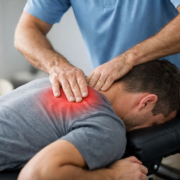
Massage therapy and soft tissue treatment can help calm overactive muscles, improve circulation in tight areas, and make it easier to move comfortably. Heat may help relax chronic stiffness before treatment, while cold therapy can be useful when a recent injury has produced inflammation and soreness.
For some patients, traction therapy or spinal decompression may be considered when disc-related pressure, radiating symptoms, or persistent low-back and neck pain are part of the picture. Corrective exercise and rehabilitation are often essential after the initial spasm begins to settle. They help strengthen the muscles that support the spine so the body is less likely to rely on constant guarding.
This does not mean every patient needs every therapy. A person with a mild spasm after gardening may need a very different plan than someone recovering from an auto accident or managing years of recurring back pain. A thorough examination helps determine what is appropriate, comfortable, and safe.
What a Chiropractic Visit for Muscle Spasms May Include
Your first visit should begin with a conversation, not an assumption. A chiropractor will ask when the spasms began, what movements make them worse, whether pain travels into an arm or leg, and how the problem affects work, driving, exercise, and sleep.
The examination may include posture assessment, range-of-motion testing, orthopedic and neurological checks, and evaluation of the spine and surrounding soft tissues. If imaging or referral is needed, that decision should be based on your symptoms and exam findings.
Treatment may start gently, particularly if the area is acutely painful or you are nervous about being adjusted. Some patients benefit from manual adjustments, while others may be better candidates for instrument-assisted techniques, mobilization, soft tissue work, or a combination of approaches. Clear communication matters. You should understand what is being done, why it is recommended, and what to expect afterward.
What You Can Do Between Visits
The most effective recovery plan usually extends beyond the treatment room. Your chiropractor may recommend simple, specific home care based on your condition. In the early stages, that may mean avoiding movements that sharply increase pain while staying gently active instead of remaining in bed for long periods.
For posture-related spasms, small changes can have a meaningful effect. Raise your screen closer to eye level, take brief movement breaks during long stretches of sitting, and avoid holding a phone between your shoulder and ear. If you wake with neck or back tightness, your sleeping position and pillow support may also be worth reviewing.
Do not aggressively stretch through sharp pain or try to “pop” your own neck or back. A tight muscle may need gradual mobility, not force. The right exercise depends on the tissue involved and whether there are symptoms such as numbness, tingling, weakness, or pain traveling down an arm or leg.
When Muscle Spasms Need Prompt Medical Attention
Most muscle spasms are treatable, but certain symptoms should not be ignored. Seek prompt medical evaluation for spasms accompanied by new or worsening weakness, loss of bowel or bladder control, numbness in the groin area, fever, unexplained weight loss, severe unrelenting pain, or significant trauma.
After a car accident, symptoms can be delayed. Neck stiffness, headaches, dizziness, shoulder pain, and back spasms may not fully appear until hours or days later. Early assessment can help identify injuries and guide a care plan before compensations become more entrenched.
You do not have to accept recurring spasms as the cost of a busy life, a desk job, or getting older. A careful evaluation can identify the factors keeping your muscles guarded and create a practical, drug-free path toward more comfortable movement. If a spasm is disrupting your day in Fort Lauderdale, same-day chiropractic and rehabilitative care can be a reassuring first step toward feeling better and moving with confidence again.