Non Surgical Disc Pain Treatment Options
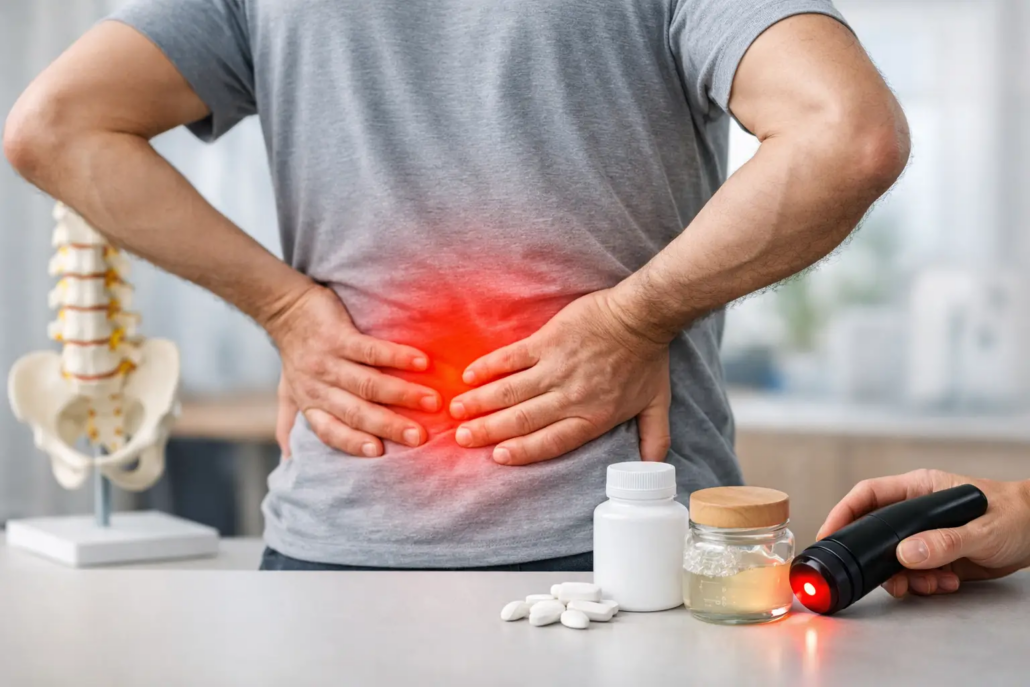
A disc problem can make ordinary movements feel risky. Sitting through a commute, reaching for groceries, getting out of bed, or looking over your shoulder may trigger sharp pain, numbness, stiffness, or pain that travels into an arm or leg. Non surgical disc pain treatment focuses on relieving that pressure, restoring movement, and helping the spine tolerate daily life again without jumping straight to medication or surgery.
For many people in Fort Lauderdale, the right first step is a careful evaluation and a treatment plan that fits the actual cause of symptoms. Disc pain is not one-size-fits-all, and neither is recovery.
What Disc Pain Can Feel Like
Spinal discs are the flexible cushions between the bones of your spine. They help absorb force and allow you to bend, twist, and move. A disc can become irritated, bulge outward, herniate, or lose height and hydration over time. Any of these changes may inflame nearby tissue or place pressure on a nerve.
In the lower back, disc-related pain may cause a deep ache, muscle guarding, or sciatica that travels through the buttock and down the leg. In the neck, it may cause pain between the shoulder blades, headaches, or tingling that runs into the shoulder, arm, or hand. Some people notice symptoms after lifting, a sports injury, or an auto accident. Others develop them gradually after years of prolonged sitting, poor posture, repetitive work, or normal age-related wear.
Pain alone does not confirm the condition of a disc. A thorough assessment should consider your symptoms, movement limitations, reflexes, strength, posture, injury history, and any imaging your medical provider has ordered. This helps distinguish disc irritation from muscle strain, joint dysfunction, hip problems, or other causes of similar symptoms.
When Non Surgical Disc Pain Treatment Is Appropriate
Most disc pain does not automatically require surgery. Conservative care is often considered first when symptoms are manageable, neurological function is stable, and there are no urgent warning signs. The goal is not to force a disc back into place. It is to reduce irritation, improve how the spine moves and handles load, calm surrounding muscle tension, and help you return to normal activity safely.
The best approach depends on several factors: where the disc issue is located, how long symptoms have been present, whether pain radiates, how much daily activity is limited, and whether there was a recent injury. A person with a new flare-up after a long drive may need a different plan than someone with recurring sciatica and years of deconditioning.
At HealthPoint Chiropractic, care can combine chiropractic treatment, rehabilitation, and supportive therapies in one coordinated plan. That matters because an adjustment alone may not address the muscle weakness, movement habits, or soft tissue tension that can keep disc pain coming back.
Chiropractic Care for Joint Motion and Alignment
When clinically appropriate, chiropractic adjustments may help improve restricted spinal joint motion and reduce mechanical stress around the painful area. Some patients feel less stiffness and easier movement after care, particularly when protective muscle tension has made the back or neck feel locked up.
Adjustments should be tailored to the patient. Gentle techniques or modified approaches may be preferable for someone with acute pain, significant sensitivity, osteoporosis, or a recent injury. The purpose is patient comfort and improved function, not aggressive force.
Spinal Decompression and Traction Therapy
Spinal decompression and traction use controlled stretching to create a gentle unloading effect through areas of the spine. For certain patients with disc-related low back or neck symptoms, this may reduce pressure sensitivity and provide an opportunity for irritated tissues to settle.
Decompression is not a cure-all, and it is not appropriate for every diagnosis. Results can vary based on the type of disc condition, symptom severity, and consistency with the full care plan. It is often most useful when paired with hands-on care and corrective exercise rather than used as a stand-alone solution.
Soft Tissue Treatment, Massage, and Comfort Measures
Disc pain often leads to a secondary problem: muscles tighten to protect the area. While that response is understandable, prolonged guarding can further limit movement and make pain feel more widespread. Massage therapy and targeted soft tissue treatment can help reduce tension in the muscles surrounding the spine, hips, shoulders, and legs.
Heat or cold therapy may also be recommended depending on the stage of irritation and your response. Cold can be useful after an acute flare-up for some patients, while heat may help ease chronic stiffness. Your provider can help you avoid the guesswork.
Why Rehabilitation Matters for Disc Recovery
Pain relief is valuable, but it is only one part of a successful plan. Once pain begins to settle, the body needs a better strategy for movement. Corrective exercise and physical rehabilitation can improve spinal control, hip mobility, core endurance, posture, and the ability to bend, lift, walk, or sit with less strain.
This does not mean pushing through severe pain or doing a generic workout from the internet. Early exercises may be as simple as controlled walking, gentle directional movements, breathing mechanics, or low-load stability work. Progression should be based on what your symptoms and function allow.
For office workers, rehabilitation may also address workstation posture and sitting habits. For athletes, it may focus on movement mechanics and gradual return to training. For auto accident patients, the plan may need to account for whiplash, soft tissue injury, and the fact that symptoms can change during the first several weeks after a crash.
What You Can Do Between Visits
The right daily habits can support treatment and reduce unnecessary flare-ups. Avoiding all movement for days at a time usually makes stiffness and weakness worse, but repeatedly testing a painful motion is not helpful either. The target is calm, consistent activity within a tolerable range.
Pay attention to prolonged positions. If sitting increases leg pain or neck symptoms, take brief movement breaks before discomfort becomes intense. Use supportive lifting mechanics, keep objects close to your body, and avoid twisting while carrying weight. If sleep is difficult, experimenting with pillow placement between the knees when side-sleeping or under the knees when lying on your back may improve comfort.
Medication decisions should be discussed with your physician or pharmacist, especially if you have other health conditions or take prescription medications. A drug-free care plan can be a meaningful option for many people, but medical care remains an important part of the picture when needed.
When Disc Symptoms Need Urgent Medical Attention
Conservative treatment is valuable, but certain symptoms should never be managed by waiting it out. Seek urgent medical evaluation for:
- New loss of bowel or bladder control
- Numbness in the groin or inner thigh area
- Progressive weakness in an arm, hand, foot, or leg
- Severe pain after a major fall, crash, or other trauma
- Fever, unexplained weight loss, or pain accompanied by a history of cancer or serious infection
These signs may indicate a condition that needs prompt medical assessment. If you are unsure whether your symptoms are urgent, it is safer to contact a qualified medical professional right away.
A Personalized Plan Can Change the Outlook
Disc pain can feel discouraging because it affects so many parts of life at once – work, sleep, exercise, driving, and time with family. Yet many people improve with thoughtful, consistent conservative care that addresses both symptoms and the movement patterns behind them.
A clear evaluation is the place to start. With same-day appointments available, Fort Lauderdale patients do not have to keep struggling through a painful week while wondering what to do next. The goal is to understand what your body needs, begin appropriate care, and take the next comfortable step toward moving with more confidence.