
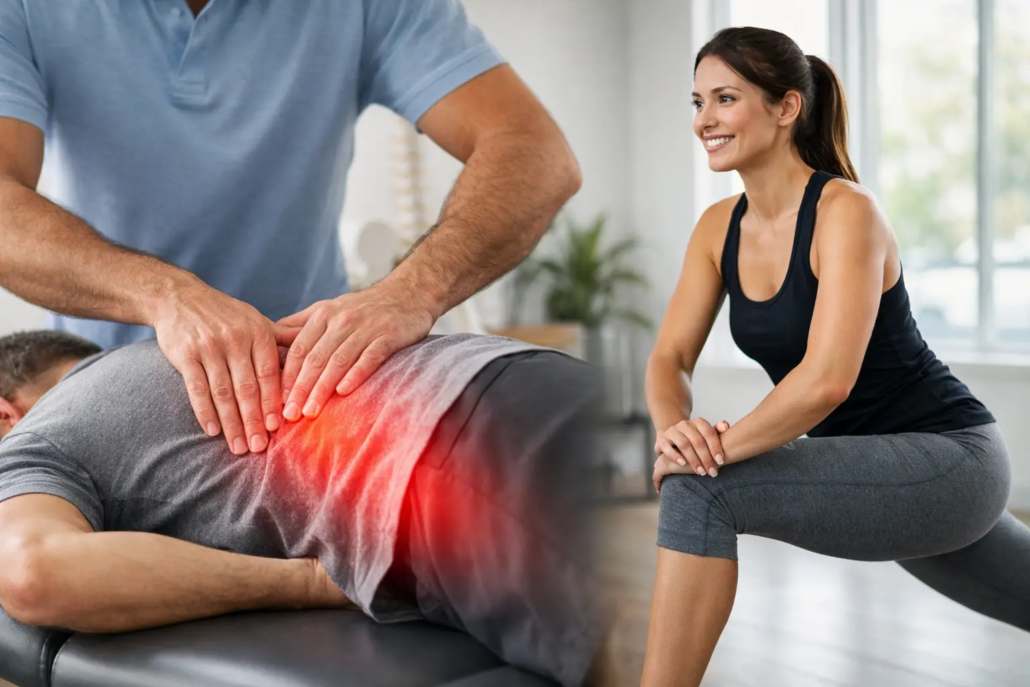
How Chiropractic Helps Sciatica and Restores Movement
Sciatica can make an ordinary drive down I-95, a full day at a desk, or a walk around the neighborhood feel like a major task. The pain may begin in the low back or hip and travel through the buttock and down one leg, sometimes with burning, tingling, numbness, or weakness. Understanding how chiropractic helps sciatica starts with identifying what is irritating the sciatic nerve and creating a plan to reduce that pressure while helping your body move better.
For many Fort Lauderdale patients, chiropractic care offers a conservative, drug-free option before considering more invasive measures. It is not a one-size-fits-all treatment, and the right approach depends on the cause of your symptoms, your health history, and how severe the nerve irritation has become.
What Sciatica Really Means
Sciatica is not a diagnosis by itself. It describes a pattern of symptoms caused by irritation or compression affecting the sciatic nerve or the nerve roots that form it in the lower spine. The sciatic nerve is the largest nerve in the body, which explains why discomfort can travel from the low back into the leg and even the foot.
A bulging or herniated disc is a common cause, especially after lifting, a sudden twist, or an auto accident. Other possible causes include spinal stenosis, degenerative changes, muscle tightness around the hip, poor movement mechanics, or a joint restriction in the lower back and pelvis. Long hours of sitting can also aggravate symptoms by placing sustained stress on the low back and hips.
Because several conditions can create similar pain, an accurate evaluation matters. Treatment should address the mechanical problem contributing to nerve irritation, not simply chase the location where the leg hurts.
How Chiropractic Helps Sciatica
Chiropractic care focuses on improving spinal motion, joint function, and the way the body handles everyday movement. When joints in the lower back or pelvis are not moving well, surrounding muscles may tighten and the body may compensate in ways that increase strain on sensitive tissues. A chiropractor evaluates posture, range of motion, muscle balance, walking patterns, and areas of tenderness to build a more complete picture.
Gentle, targeted chiropractic adjustments may help restore movement in restricted spinal or pelvic joints. For some people, this can reduce mechanical stress in the lower back, ease protective muscle tension, and improve comfort during sitting, standing, and walking. Adjustments should be adapted to the patient. A person with severe pain, an acute disc issue, osteoporosis, or other health considerations may need a lighter technique or a different starting point.
The goal is not to force the body through pain. It is to improve function safely and progressively so irritated tissues have a better opportunity to calm down.
Decompression and traction may reduce spinal pressure
When disc-related irritation is suspected, spinal decompression or traction therapy may be considered as part of a care plan. These approaches use controlled positioning or gentle pulling forces to create space in the spine and reduce pressure on affected structures. Some patients find this particularly helpful when sitting, bending forward, or coughing increases leg symptoms.
Decompression is not appropriate for every cause of sciatica, and results vary. It works best when it is paired with a thorough examination, activity guidance, and rehabilitation rather than treated as a stand-alone solution.
Soft tissue treatment can address muscle guarding
Sciatica often brings more than nerve pain. The low back, glutes, hamstrings, and hip muscles can become tight as the body tries to protect the painful area. Massage therapy and focused soft tissue treatment may help reduce this guarding, improve circulation, and make movement feel less restricted.
This matters because tight muscles can change the way you walk, sit, and bend. If those compensations continue, they can keep loading the low back even after the sharpest symptoms begin to fade.
Corrective exercise builds a more durable recovery
Relief is valuable, but keeping symptoms from returning requires more than feeling better for a day or two. Corrective exercise and physical rehabilitation help strengthen the muscles that support the spine, hips, and pelvis. Depending on the patient, this may include gentle core stabilization, hip mobility work, glute strengthening, and instruction on safer bending and lifting patterns.
Exercises should match the stage of recovery. Stretching aggressively while the nerve is highly irritated can make symptoms worse for some people. A personalized program gives patients a clearer path forward: what to do, what to avoid temporarily, and how to increase activity without triggering another flare-up.
What a Sciatica Visit Should Include
A meaningful chiropractic evaluation begins with listening. Your provider should ask where the pain travels, what makes it worse or better, whether symptoms began after a crash or injury, and how the problem affects sleep, work, exercise, and daily tasks.
The physical examination may include posture assessment, range-of-motion testing, strength and reflex checks, orthopedic tests, and palpation of the low back and hips. If imaging or a referral is needed, that should be discussed clearly. Not every patient needs an X-ray or MRI immediately, but persistent, severe, or unusual symptoms may require further investigation.
At HealthPoint Chiropractic, care can combine chiropractic adjustments with decompression, massage, traction, rehabilitative exercise, and heat or cold therapy when appropriate. This integrated approach is useful because sciatica commonly involves joint mechanics, muscle tension, and movement habits at the same time.
When Chiropractic Care May Not Be the First Step
Chiropractic care can be an appropriate option for many people with sciatica, but it is not a substitute for emergency medical evaluation. Seek urgent medical care for new or worsening leg weakness, loss of bowel or bladder control, numbness in the groin or saddle area, fever with back pain, unexplained weight loss, or pain following a serious fall or accident.
You should also tell your provider about a history of cancer, infection, osteoporosis, blood-thinning medication, or recent surgery. These factors do not automatically rule out chiropractic care, but they affect which treatments are safe and whether coordination with another medical provider is needed.
If pain is severe enough to prevent normal sleep or walking, do not wait and hope it disappears. Prompt evaluation can help rule out more serious causes and prevent weeks of avoidable discomfort.
Everyday Habits That Support Sciatica Relief
Treatment visits are only part of recovery. Small changes between appointments often make a noticeable difference. Avoid remaining in one position for long periods, especially if desk work or commuting is part of your routine. Stand up, take a short walk, and reset your posture regularly.
When sitting, keep both feet supported and avoid twisting to reach for items behind you. When lifting, move close to the object, bend through the hips and knees, and keep the load near your body. During an active flare-up, walking may be more comfortable than prolonged sitting, but the right amount of activity depends on your symptoms.
Heat may relax tight muscles, while cold can feel more soothing after a recent flare-up or injury. Your care provider can help you decide which option fits your situation and how long to use it.
Relief Should Lead to Better Movement
The best sciatica care is not measured only by whether pain drops after a visit. It should help you sit through a meeting, sleep more comfortably, return to the gym carefully, pick up groceries without fear, or get back to work with greater confidence. For some patients, improvement comes quickly. For others, particularly those with long-standing disc or degenerative changes, recovery takes consistent care and gradual rehabilitation.
If leg pain, numbness, or tingling is disrupting your life, a personalized evaluation can clarify what may be driving the problem and what conservative options make sense. The next useful step is not pushing through the pain – it is getting a clear plan that helps you move with less fear and more comfort.