
Spinal Decompression Reviews That Help You Decide
A back pain review that simply says “great service” may be encouraging, but it does not tell you whether spinal decompression is a sensible option for your condition. The most useful spinal decompression reviews reveal what brought a patient in, how clearly the plan was explained, whether care was comfortable, and how daily life changed over time.
For Fort Lauderdale patients dealing with sciatica, disc-related pain, stiffness after a car accident, or persistent low back discomfort, online feedback can be one part of the decision. It should not replace an examination. A personalized assessment is what determines whether decompression therapy fits your symptoms, health history, and treatment goals.
What Spinal Decompression Reviews Can Tell You
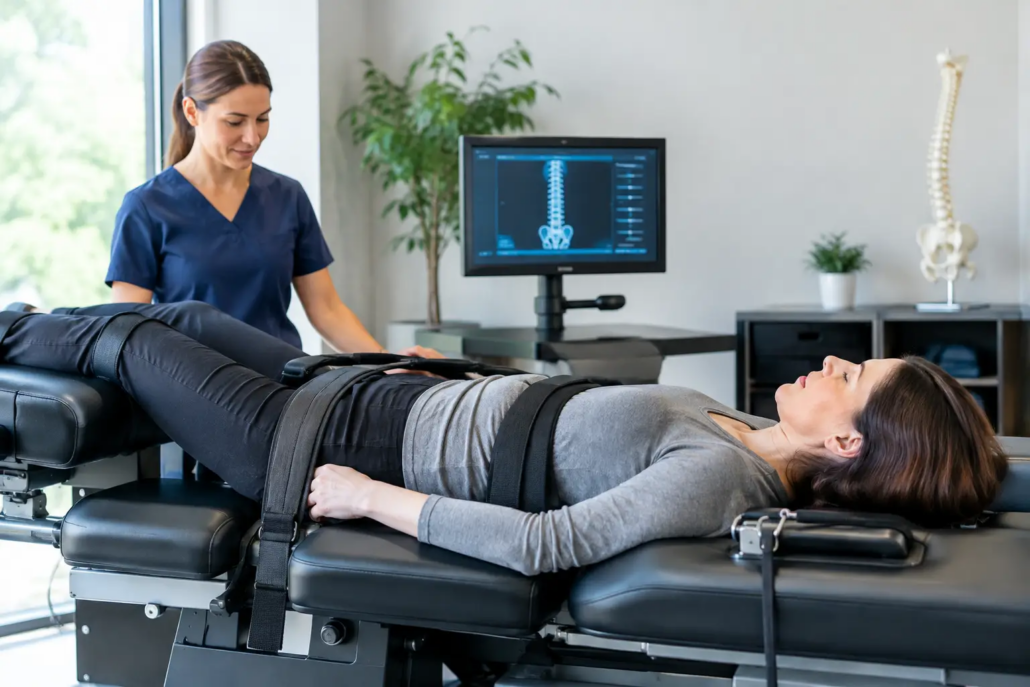
Non-surgical spinal decompression uses controlled traction to gently change pressure within targeted areas of the spine. Depending on the person and the equipment used, treatment may be intended to reduce stress around irritated discs and nerves while improving mobility and supporting the body’s healing process. It is often considered for certain cases of low back pain, neck pain, sciatica, disc bulges, herniated discs, and degenerative disc concerns.
Reviews are most valuable when they describe the patient experience in specific, realistic terms. Look for comments about whether the provider listened to the patient’s concerns, reviewed imaging or prior records when appropriate, and explained why decompression was recommended instead of presenting it as a one-size-fits-all answer.
Credible feedback also tends to mention practical details. Was scheduling convenient? Did the office explain expected visit frequency and costs? Did the patient feel comfortable during treatment? Was there a plan for maintaining progress through exercise, posture support, or other rehabilitative care?
A thoughtful review may say that a patient slept better, could sit through a workday with less discomfort, returned to walking or exercise, or had fewer radiating symptoms. Those details matter more than dramatic promises because they reflect the real-life limitations pain can create.
How to Read Spinal Decompression Reviews Carefully
Start with patterns, not isolated comments. Every healthcare practice may receive an occasional negative review, and every patient brings different diagnoses, expectations, and recovery timelines. A collection of feedback that consistently describes respectful communication, individualized care, comfort, and reliable follow-through is more meaningful than a single glowing statement.
Pay attention to whether reviews sound condition-specific. Someone with a recent injury from a rear-end collision may have different needs than an office worker with years of posture-related low back pain. Similarly, a runner with leg pain may respond differently than an older adult managing arthritis and reduced mobility. A quality clinic should recognize those differences rather than promise the same outcome to everyone.
Be cautious with reviews that imply decompression cures every form of pain immediately. Some patients feel relief early in care, while others improve gradually as irritation settles and movement improves. For lasting results, spinal decompression may be paired with chiropractic adjustments, soft tissue treatment, massage therapy, corrective exercise, or physical rehabilitation. The right combination depends on the source of the problem.
It is also worth checking the dates of reviews. Recent feedback can provide a clearer picture of a clinic’s current staff, scheduling experience, communication practices, and treatment approach. If a review mentions a concern, notice how the office responds. A professional response should protect patient privacy while showing accountability and a willingness to help.
Results Should Sound Realistic
The strongest patient feedback usually does not promise perfection. It describes progress. That may mean standing longer without pain, driving more comfortably, needing fewer pain medications, or feeling confident enough to return to work and normal movement.
Pain relief is important, but function matters just as much. If your goal is to pick up your child, finish a shift without numbness down your leg, sleep through the night, or get back to the gym safely, bring that goal to your consultation. It gives your provider a practical way to measure whether care is helping.
Questions Reviews Cannot Answer for You
Even excellent spinal decompression reviews cannot confirm that you are a candidate. The treatment is not appropriate for everyone. Certain fractures, spinal instability, severe osteoporosis, some surgical histories, active infection, cancer affecting the spine, and other medical conditions may require a different approach or medical clearance first.
A proper evaluation should include a discussion of your symptoms, medical history, medications, prior treatment, daily activities, and any imaging that may be relevant. Your provider should also screen for red flags. New bowel or bladder changes, significant weakness, unexplained weight loss, fever, severe trauma, or rapidly worsening neurological symptoms need prompt medical attention.
Ask direct questions before beginning a care plan. What does the provider believe is causing your symptoms? Why is decompression recommended in your case? What other therapies may support it? How will progress be measured, and when will the plan be reassessed if you are not improving?
You should also understand the time commitment. Decompression care commonly involves multiple sessions, especially when symptoms have been present for months or years. There is a trade-off: a structured plan may offer a more conservative alternative to medication-only care or surgery for some people, but it requires consistency and active participation. Home exercises, movement habits, ergonomic changes, and follow-up care can all influence results.
What a Patient-Centered Decompression Plan Looks Like
A comfortable treatment room and friendly staff are important, but quality care goes further. You should know what is happening during treatment and why. The provider should adjust the plan based on your response rather than pushing you through a preset schedule without reassessment.
At HealthPoint Chiropractic, spinal decompression can be integrated with chiropractic care, massage, rehabilitation, and corrective exercise when clinically appropriate. This approach recognizes that disc pressure, muscle tension, joint movement, posture, and strength can all contribute to ongoing discomfort. Treating only one piece of the problem may leave patients frustrated when pain returns.
For example, a patient with sciatica may need more than traction alone. Gentle decompression may be combined with care intended to improve spinal movement, reduce tightness in surrounding muscles, and strengthen the hips and core as symptoms allow. Someone recovering from a car accident may need a different plan focused on neck strain, soft tissue irritation, and gradual return to activity.
The goal is not to keep patients dependent on passive treatment. The goal is to help them move with more confidence and give them practical tools to protect their progress outside the clinic.
Choosing Care Beyond the Star Rating
Star ratings are a quick reference, not a clinical decision. When reading reviews, look for a practice that makes patients feel heard, explains recommendations plainly, and respects that pain can affect work, family responsibilities, sleep, and mental well-being. The right provider will be clear about both the potential benefits and the limitations of decompression therapy.
If back pain or radiating leg pain is interrupting your routine, do not let uncertainty keep you stuck. A consultation can help you move beyond online opinions and get answers based on your body, your symptoms, and your goals. The most reassuring review is your own experience of being listened to, evaluated carefully, and given a plan that makes sense for the life you want to return to.






Leave a Reply
Want to join the discussion?Feel free to contribute!